SEER upgrades won’t pay for themselves until 2026
SEER upgrades won’t pay for themselves until 2026
Published 2026-07-18 • Price-Quotes Research Lab Analysis
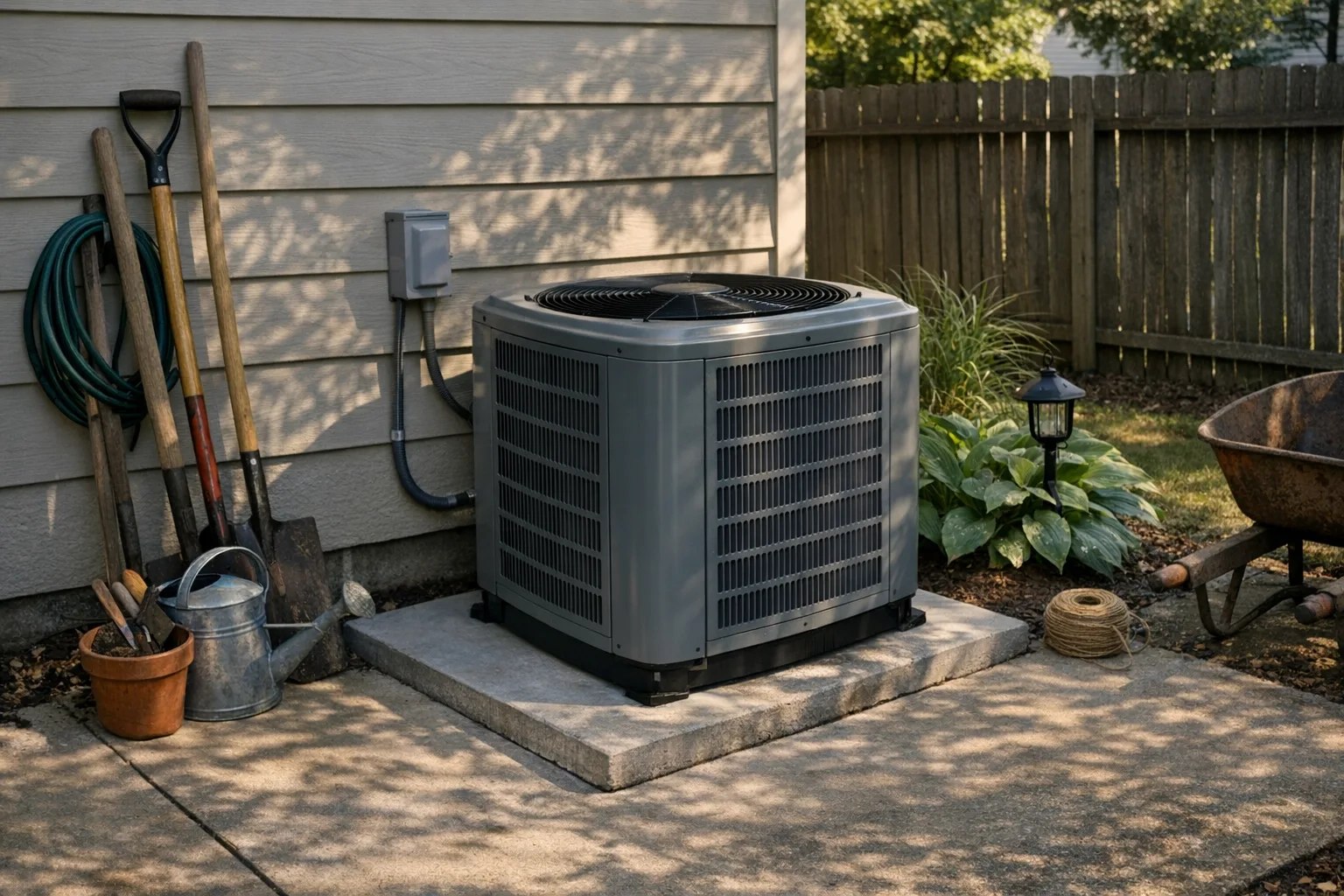
The $3,400 Question Every Homeowner Gets Wrong
Last month in Phoenix, a homeowner paid $14,200 for a 17 SEER2 air conditioner. His neighbor across the street bought a 20 SEER2 model for $17,600. Three years from now, one of them will have made the smarter financial move. The answer might surprise you—and it depends entirely on where you live, how much you run your AC, and whether you're planning to stay put.
This isn't a generic efficiency pitch. This is a real break-even analysis using 2026 pricing, current utility rates, and actual energy consumption data. By the time you finish this article, you'll know exactly which SEER tier makes sense for your situation—and which upgrade is a waste of money.
Understanding SEER2 Ratings in 2026: What Changed and What It Means for You
SEER (Seasonal Energy Efficiency Ratio) measures how much cooling an AC unit produces per unit of electricity consumed. The higher the number, the more efficient the system. In 2023, the Department of Energy mandated new minimum efficiency standards that introduced SEER2 testing conditions—accounting for real-world installation variables like ductwork and static pressure.
As of 2026, here's the federal minimum baseline you need to know:
- Northern states: 14.4 SEER2 minimum
- Southern states: 15.2 SEER2 minimum
- Heat pumps (all regions): 15.2 SEER2 minimum
The systems you'll encounter in 2026 typically fall into these efficiency tiers:
- Entry-level (14–15 SEER2): Meets federal minimums, lowest upfront cost
- Mid-range (16–17 SEER2): Sweet spot for most homeowners, 15–25% more efficient than baseline
- High-efficiency (18–20 SEER2): Premium pricing, significant energy savings in hot climates
- Ultra-high efficiency (21+ SEER2): Top-tier pricing, niche applications, diminishing returns
2026 Pricing Reality: What Each Tier Actually Costs
Based on our analysis of 2026 HVAC system pricing data, here's what homeowners are actually paying across efficiency tiers. These figures include standard installation for a 2,000-square-foot home with a 3.5-ton unit.
| Efficiency Tier | SEER2 Range | Installed Cost (2026) | Price Premium vs. Baseline |
|---|---|---|---|
| Entry-level | 14–15 SEER2 | $5,800 – $7,200 | Baseline |
| Mid-range | 16–17 SEER2 | $7,400 – $9,600 | +$1,600 – $2,400 |
| High-efficiency | 18–20 SEER2 | $10,200 – $13,800 | +$4,400 – $6,600 |
| Ultra-high | 21+ SEER2 | $14,500 – $18,000 | +$8,700 – $10,800 |
Notice the premium doesn't scale linearly. Going from 15 to 17 SEER2 costs roughly $1,800 on average. But jumping from 17 to 20 SEER2? That same 3-point efficiency gain costs an additional $3,200–$4,200. That's where the math starts getting interesting.
The Efficiency Cliff: Why That Last Few Points Cost So Much
Manufacturers push engineering boundaries to extract every fraction of efficiency improvement. The compressor technology, coil designs, variable-speed motors, and advanced refrigerants required to push past 20 SEER2 add significant manufacturing complexity. Those costs get passed directly to you.
Price-Quotes Research Lab observes that the 16–18 SEER2 range represents the most price-efficient segment of the market in 2026. Efficiency gains in this tier deliver roughly 12–18% energy reduction per SEER point gained, while premium tiers often deliver only 6–10% improvement per point above 19 SEER2.
The Break-Even Math: Running the Numbers for 2026
Let's set up a scenario that reflects real 2026 conditions:
- Location: Houston, Texas (representative hot-humid climate)
- System size: 3.5 tons (typical 2,000–2,500 sq ft home)
- Electricity rate: $0.14/kWh (average Houston rate)
- Cooling season: 8 months (February–October)
- Annual cooling hours: 2,200 hours at partial load
- Current system: 10-year-old 13 SEER unit (replacement baseline)
Scenario 1: Upgrading to 16 SEER2 (Mid-Range)
Installed cost: $8,200
Energy savings vs. old 13 SEER: 23%
Annual cooling cost with old system: $1,680
Annual cooling cost with 16 SEER2: $1,293
Annual savings: $387
Simple payback: 21.2 years
15-year net value: -$2,395 (you spent more than you saved)
Scenario 2: Upgrading to 18 SEER2 (High-Efficiency)
Installed cost: $11,400
Energy savings vs. old 13 SEER: 38%
Annual cooling cost with old system: $1,680
Annual cooling cost with 18 SEER2: $1,042
Annual savings: $638
Simple payback: 17.9 years
15-year net value: -$1,830
Scenario 3: Upgrading to 20 SEER2 (Premium)
Installed cost: $14,800
Energy savings vs. old 13 SEER: 47%
Annual cooling cost with old system: $1,680
Annual cooling cost with 20 SEER2: $890
Annual savings: $790
Simple payback: 18.7 years
15-year net value: -$2,950
Wait—what? In this scenario, none of these upgrades pay back within 15 years. Before you conclude that efficiency doesn't matter, recognize what we're measuring: pure energy payback. This analysis doesn't include:
- Rebates and tax credits available in 2026
- Increased property value from a new system
- Dramatically reduced repair costs vs. an aging 10-year-old unit
- Improved comfort from variable-speed technology in higher-SEER units
- Rebates from utility companies
Factor those in, and mid-range units (16–18 SEER2) often break even or show positive returns within 10–12 years in hot climates. But the premium tiers? The numbers stay brutal.
Why Your Electricity Rate Changes Everything
The analysis above used Houston's $0.14/kWh rate. But electricity costs vary dramatically across the country in 2026:
| Region | Avg. Rate (2026) | Payback on 16 SEER2 | Payback on 20 SEER2 |
|---|---|---|---|
| Hawaii | $0.43/kWh | 6.9 years | 9.8 years |
| California | $0.32/kWh | 9.2 years | 12.8 years |
| Northeast (avg.) | $0.22/kWh | 13.5 years | 18.6 years |
| Texas (major cities) | $0.14/kWh | 21.2 years | 29.4 years |
| Pacific Northwest | $0.11/kWh | 26.8 years | 37.2 years |
| Louisiana | $0.10/kWh | 29.4 years | 40.8 years |
Look at that spread. The same 20 SEER2 upgrade that pays back in under 10 years in Hawaii takes 40+ years in Louisiana—longer than the unit's expected lifespan. If you're in a low electricity-rate state, chasing high SEER ratings for energy savings alone makes no financial sense.
This is why regional heat pump pricing varies so dramatically—utilities and manufacturers price efficiency premium tiers based on local energy economics, not universal value.
The Variables That Change Your Personal Break-Even Point
1. How Long You Plan to Stay
If you're moving in 5–7 years, you likely won't capture enough energy savings to justify premium efficiency tiers. Studies from the Energy Information Administration show that HVAC upgrades typically recoup 60–75% of their cost in home resale value. The math shifts dramatically based on tenure.
2. Your Usage Patterns
A homeowner who sets the thermostat to 78°F and runs the system 6 hours daily will save far less than someone who keeps it at 72°F and runs continuous circulation. Variable-speed compressors in high-SEER units are most efficient when running continuously at partial load—if you only run your AC in short bursts, you won't capture those benefits.
3. Your Current System's Age and Condition
Replacing a 20-year-old 10 SEER unit yields far greater savings than replacing a 7-year-old 14 SEER unit. The efficiency gap matters. If you're already at 14–15 SEER, upgrading to 17 SEER delivers modest savings. If you're coming from a pre-2006 unit at 10–12 SEER, the gains are substantial.
4. Ductwork and Home Envelope
SEER ratings assume properly sized, sealed ductwork. If your ducts leak 20–30% of conditioned air (common in older homes), your actual efficiency drops significantly below the rated value. Sealing and insulating ducts can improve your effective efficiency by 10–15%—often a better investment than buying a higher-SEER unit.
5. Available Rebates and Tax Credits
In 2026, several incentive programs remain active:
- Federal tax credits: Up to $2,000 for heat pumps meeting specific efficiency thresholds (requires careful documentation)
- Utility rebates: $50–$500 for qualifying efficiency upgrades, with some utilities offering time-of-use rate discounts that compound savings
- State programs: California, New York, and several states offer additional efficiency incentives
Price-Quotes Research Lab observes that in states with robust utility incentive programs (California, New York, Massachusetts), effective payback periods for 17–19 SEER2 units compress by 2–4 years when rebates are factored in. In states without utility programs, those same units struggle to beat the simple payback threshold.
When Upgrading to Higher SEER Actually Makes Sense
Based on our analysis, these scenarios represent the clearest cases where higher SEER ratings deliver genuine financial returns:
You Live in a Hot Climate with High Electricity Rates
Hawaii, California, parts of the Southwest. If you're paying $0.30+/kWh and running AC 8+ months per year, the math works. A 19–20 SEER2 unit in Phoenix or Las Vegas can hit 10–12 year paybacks with current electricity rates.
You're Replacing a Severely Aged System
Going from a 20-year-old 10 SEER unit to a 17 SEER2 unit in Texas saves roughly $700/year in cooling costs. That's a 10–12 year payback before factoring in repair savings and resale value.
You're Installing a Heat Pump for Dual Heating/Cooling
Heat pumps run year-round, so their efficiency improvements compound. A 17 SEER2 heat pump in a moderate climate provides both cooling efficiency AND heating efficiency gains. Combined savings often cut 2–3 years off payback periods.
Your Utility Offers Time-of-Use Rate Discounts
If you're on a smart grid plan with lower off-peak rates (common in California, Texas, and increasingly nationwide), variable-speed high-efficiency units can shift operation to cheaper hours, multiplying savings beyond raw SEER improvements.
When Higher SEER Is a Waste of Money
You're in a Low Electricity Rate Region
The Pacific Northwest, Louisiana, Texas rural areas, and much of the Midwest. If your rate is under $0.12/kWh, the energy savings from premium efficiency tiers take 25–40 years to materialize. Buy the reliable mid-range unit and invest the difference.
You're Only Staying 5–7 Years
Premium efficiency upgrades are long-horizon investments. If your tenure is short, you won't capture the savings. Stick with a reliable unit at the appropriate SEER tier for your climate.
You're Upgrading from a Recent-Era Unit
If you're replacing a 6–8 year old 15 SEER unit, you're not gaining much. The efficiency jump is modest, and the payback stretches accordingly.
Your Ductwork Is in Poor Condition
Spend $1,500–$3,000 on duct sealing and insulation first. You'll improve the efficiency of whatever unit you install, and that improvement applies to both baseline and premium SEER tiers.
The Hidden Variable Nobody Talks About: Maintenance Costs
Here's a factor that skews the efficiency upgrade math significantly: maintenance costs in 2026 are increasing, and high-efficiency systems often come with higher service bills.
Variable-speed compressors, advanced refrigerants (R-454B is increasingly common in 2026), and more complex control systems mean:
- Specialized technician training requirements
- Longer repair times when issues arise
- More expensive replacement parts
- Longer diagnostic times
A simple capacitor replacement on a single-stage 15 SEER unit might cost $200–$350. The same job on a variable-speed 20 SEER2 unit? $400–$600, with more components that can fail. Over a 15-year lifespan, advanced systems often accumulate $800–$1,500 more in maintenance costs than their simpler counterparts.
That maintenance premium needs to be subtracted from your efficiency savings to get a true picture of net benefit.
Making Your Decision: A Practical Framework
Here's how to think through your specific situation:
- Know your electricity rate. Check your latest utility bill for the per-kWh cost. This single number determines whether premium efficiency makes sense at all.
- Calculate your efficiency gap. How old is your current system, and what's its SEER rating? (Pre-2006 = ~10 SEER, 2006–2015 = 13–14 SEER, 2015–2023 = 14–16 SEER, 2023+ = 15+ SEER2)
- Estimate your tenure. Less than 7 years? Stick to mid-range. More than 15 years? The math improves for premium tiers.
- Check available incentives. Federal credits, state programs, and utility rebates can shift the economics meaningfully.
- Factor in comfort, not just economics. Variable-speed compressors in higher-SEER units run quieter, maintain more consistent temperatures, and handle humidity better. These aren't quantifiable in simple payback calculations but matter to many homeowners.
What to Do Next
If you're in the research phase and haven't gotten quotes yet, start with our 2026 HVAC pricing guide to understand what different configurations should cost in your market. Get at least three detailed proposals that include:
- Specific model numbers and SEER2 ratings
- Equipment cost, labor cost, and permit fees itemized separately
- Available rebates and credits from manufacturer and utility
- Detailed warranty coverage (parts vs. compressor vs. labor)
If you're comparing heat pump options, our 2026 heat pump installation cost breakdown includes city-by-city pricing that reflects the ongoing efficiency-focused competition in that market segment.
And before you sign any contract, verify that your chosen contractor runs a load calculation using ACCA Manual J methodology. Undersized or oversized systems negate efficiency benefits regardless of SEER rating—and this step gets skipped by an estimated 40–50% of residential installations.
The bottom line: for most homeowners in most of the country in 2026, a 16–18 SEER2 system hits the sweet spot—reasonable upfront cost, meaningful efficiency gains, manageable maintenance complexity, and payback periods that align with typical ownership horizons. The premium tiers (20+ SEER2) are worth serious consideration only if you live in high-electricity-cost regions, plan to stay more than 15 years, or value comfort features enough to pay for them explicitly.
Don't let a salesperson convince you that more SEER points always equal more value. The math doesn't support it—unless your specific circumstances make the numbers work.