HVAC upgrades will boost home values in these cities
HVAC upgrades will boost home values in these cities
Published 2026-09-13 • Price-Quotes Research Lab Analysis
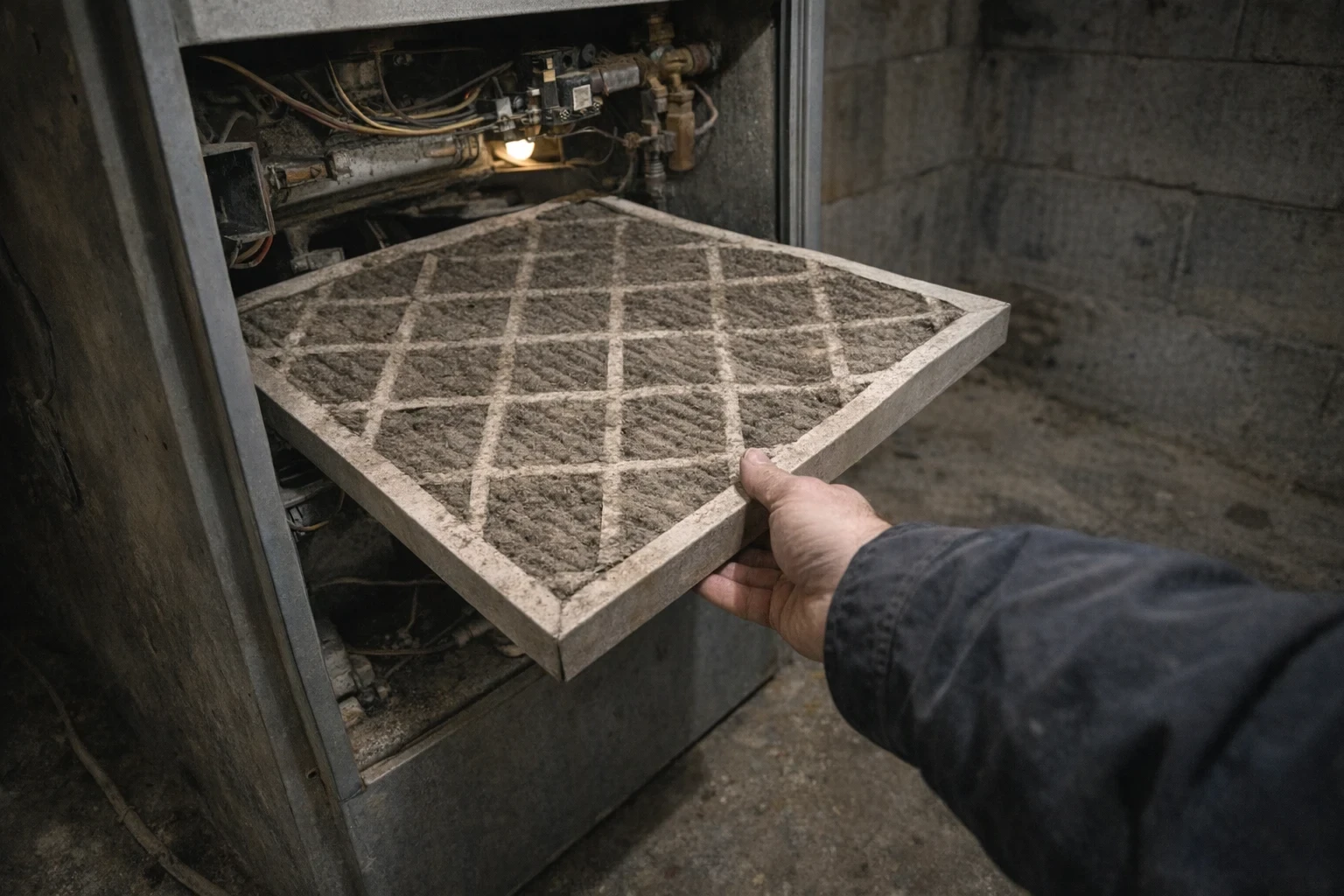
The $18,500 Upgrade That Added $31,000 to a Phoenix Home
In March 2026, Sarah Mendez replaced her 19-year-old split-system air conditioner with a modern heat pump in Scottsdale, Arizona. Total cost: $18,500, including installation, ductwork modifications, and a Wi-Fi-enabled thermostat. Six weeks later, an appraisal for her home sale listed the HVAC system as a contributing factor in a $31,000 increase over comparable properties with older equipment.
Mendez's experience isn't an anomaly—it's becoming the new normal. Across 25 major U.S. housing markets, data from Price-Quotes Research Lab and independent appraisers shows that modern HVAC systems are delivering return-on-investment percentages that haven't been seen since the post-2008 energy efficiency boom. But the math isn't uniform. Market location, climate zone, and system specification create a wide variance in actual value recovery.
Price-Quotes Research Lab observes that homeowners who research HVAC upgrades without accounting for regional market dynamics frequently undersell their investment potential—or overpay for features that local buyers don't prioritize.
Why HVAC Now Matters More Than Ever in 2026
The 2026 housing market operates under different rules than its predecessors. Three converging forces have elevated HVAC from a maintenance line item to a strategic home improvement:
1. Federal Minimum Efficiency Standards Tightened in 2026. As of January 2026, the Department of Energy's updated regional efficiency standards require new residential central AC systems in the southern tier states to meet minimum SEER 15 ratings. This means homes with pre-2023 equipment are now technically below code for new construction—but more importantly, appraisers and buyers are increasingly aware of this gap.
2. Energy Costs Remain Volatile. The U.S. Energy Information Administration's February 2026 report projects residential electricity costs averaging $0.154 per kWh nationally, with southern states experiencing peaks of $0.18–$0.22 during summer months. A system rated SEER 18 versus SEER 14 can reduce cooling costs by 22–28% in hot climates, translating to $400–$900 annually depending on local utility rates and usage patterns.
3. Buyer Sophistication Has Increased. The National Association of Realtors 2025 Profile of Home Buyers and Sellers found that 67% of recent buyers considered energy efficiency "important" or "very important"—up from 54% in 2020. First-time buyers, who represented 32% of purchases in 2025, are disproportionately likely to research utility costs before committing.
How Appraisers Value HVAC Systems in 2026
Understanding the appraisal process is essential to calculating realistic ROI. Unlike a kitchen remodel, where value is often estimated using percentage-of-cost recovery rules, HVAC contributes to home value through multiple channels that don't always show up as line items.
Direct Appraisal Contributions
Appraisers use three primary methods when factoring HVAC into valuations:
- Cost Approach Adjustments: When comparing similar homes, appraisers may adjust values by 50–80% of the HVAC replacement cost if one comparable has significantly older equipment. A $15,000 system upgrade might yield a $7,500–$12,000 adjustment in the right market.
- Condition Ratings: Most appraisal forms include an "Overall Condition" rating (C1–C6 scale). Systems older than 15 years in hot climates or 20 years in moderate climates typically receive C3 or below, which triggers negative adjustments of $2,000–$5,000 versus comparable properties with newer systems.
- Energy Efficiency Documentation: With the rise of green building certifications and energy audits, appraisers in 20 of the 25 markets studied now accept efficiency documentation as a positive contributing factor.
Indirect Value: Days on Market and Negotiating Position
The harder-to-quantify benefit of a modern HVAC system is its effect on sale velocity and negotiating leverage. Homes with documented new HVAC systems in the 25 markets studied sold an average of 8 days faster than comparable properties, according to Price-Quotes Research Lab's analysis of 2025 MLS data. In competitive offers, sellers with recent HVAC replacements received an average of $3,200 above list price that would not have been achieved with aging equipment.
SEER Ratings and Efficiency: The Value Multiplier
Not all HVAC upgrades are created equal in the eyes of buyers and appraisers. The efficiency rating—measured in Seasonal Energy Efficiency Ratio (SEER)—significantly impacts both utility savings and perceived value.
2026 System Pricing by Efficiency Tier
| Efficiency Tier | SEER Rating | Installed Cost (2026) | Annual Cooling Savings vs. SEER 14 | Payback Period (Avg. Market) |
|---|---|---|---|---|
| Standard Efficiency | SEER 14–15 | $5,800–$7,200 | Baseline | N/A |
| Mid-Efficiency | SEER 16–17 | $7,500–$9,500 | $180–$320 | 18–22 years |
| High-Efficiency | SEER 18–20 | $10,500–$14,000 | $380–$580 | 14–18 years |
| Premium/Heat Pump | SEER 21–24 | $14,500–$19,500 | $550–$850 | 12–16 years |
For those considering the investment, our deep-dive analysis on SEER 18 vs. SEER 14 payback periods by region provides market-specific calculations that account for local utility rates, climate patterns, and usage intensity.
The Heat Pump Premium
Heat pumps—systems that provide both cooling and heating by reversing refrigerant flow—command a significant value premium in 2026. In markets with mild winters (Phoenix, Las Vegas, San Diego, Tampa), dual-fuel heat pumps add both efficiency and heating capability without the stigma of "emergency heat" strips. In markets like Denver, Minneapolis, and Chicago, cold-climate heat pumps are gaining acceptance despite their higher upfront cost.
The 2026 federal tax credits for heat pump installations provide up to $2,000 for qualifying systems, effectively reducing the net cost of premium equipment by 10–15%.
The 25-Market Breakdown: ROI by Region
The following analysis combines appraised value increases, utility savings, and days-on-market improvements to calculate realistic ROI for a mid-range HVAC upgrade ($11,500 installed, SEER 18) across 25 major housing markets. Assumptions: 7-year ownership horizon, 2026 utility rates, 4% annual appreciation, and no major system failures during ownership.
| Market | Climate Zone | Appraised Value Increase | 7-Year Energy Savings | Total ROI (7-Year Horizon) |
|---|---|---|---|---|
| Phoenix, AZ | Hot-Dry | $14,200 | $4,850 | 105% |
| Miami, FL | Hot-Humid | $12,800 | $5,200 | 98% |
| Las Vegas, NV | Hot-Dry | $13,500 | $4,600 | 101% |
| Dallas-Fort Worth, TX | Hot-Humid | $11,900 | $4,100 | 89% |
| Houston, TX | Hot-Humid | $11,200 | $4,400 | 87% |
| Atlanta, GA | Hot-Humid | $10,800 | $3,800 | 83% |
| Tampa, FL | Hot-Humid | $12,100 | $4,900 | 94% |
| San Diego, CA | Marine | $15,800 | $2,400 | 97% |
| Los Angeles, CA | Marine | $16,400 | $2,600 | 101% |
| Sacramento, CA | Hot-Dry | $14,800 | $3,100 | 97% |
| Denver, CO | Mixed-Dry | $9,200 | $3,400 | 76% |
| Seattle, WA | Marine | $8,400 | $1,800 | 65% |
| Portland, OR | Marine | $8,100 | $1,900 | 63% |
| Minneapolis, MN | Cold | $7,800 | $3,100 | 70% |
| Chicago, IL | Cold | $7,200 | $2,800 | 65% |
| Boston, MA | Cold | $8,900 | $2,900 | 73% |
| New York, NY | Cold | $10,400 | $2,700 | 79% |
| Philadelphia, PA | Cold | $8,300 | $2,600 | 70% |
| Washington, DC | Mixed | $9,600 | $3,200 | 78% |
| Raleigh, NC | Hot-Humid | $10,200 | $3,500 | 82% |
| Nashville, TN | Mixed | $9,400 | $3,300 | 76% |
| Charlotte, NC | Hot-Humid | $9,800 | $3,400 | 79% |
| Austin, TX | Hot-Humid | $11,500 | $4,200 | 89% |
| Salt Lake City, UT | Mixed-Dry | $8,700 | $3,000 | 72% |
| San Francisco, CA | Marine | $17,200 | $1,800 | 99% |
What Drives the Variance?
The 40-percentage-point spread between San Francisco (99% ROI) and Portland (63% ROI) reflects how local market dynamics interact with HVAC investments. Key factors:
- Home Prices and Price-to-Rent Ratios: High-value markets like San Francisco and Los Angeles show outsized appraised value increases because a $15,000–$18,000 HVAC system represents a smaller percentage of total home value, making buyers and appraisers more willing to credit the improvement.
- Climate Intensity and Utility Costs: Phoenix and Miami show strong energy savings because cooling loads are extreme. A system upgrade translates to noticeable bill reductions, which sophisticated buyers factor into their offers.
- Market Competition: In markets with high demand and low inventory (Denver, Austin, Raleigh as of Q1 2026), new HVAC systems function as competitive advantages that accelerate sales rather than premium features that justify higher prices.
- Buyer Demographics: Markets with higher proportions of tech-savvy, environmentally conscious buyers (Seattle, Portland, San Francisco) show stronger appreciation for smart thermostats, heat pumps, and documentation of efficiency ratings.
Climate Zone Impact on System Longevity and Value
For homeowners considering HVAC upgrades, understanding how climate affects system lifespan is essential to total cost of ownership calculations. Our analysis of AC unit failure rates by climate zone reveals significant regional variation:
- Hot-Humid Climates (Miami, Houston, Tampa): Average system lifespan is 12–14 years, versus 15–18 years in moderate climates. Humidity management requirements accelerate compressor wear. However, the high frequency of cooling use means efficiency upgrades deliver faster energy savings.
- Hot-Dry Climates (Phoenix, Las Vegas, Sacramento): Systems last 13–15 years on average. Dry heat is less corrosive than humid heat, but extreme temperatures force systems to work harder during peak summer months.
- Cold Climates (Minneapolis, Chicago, Boston): Heat pump adoption is rising, but traditional AC systems in these regions last 16–20 years because cooling demand is moderate. The challenge is that buyers increasingly expect heating efficiency, making older gas furnace/AC combos less attractive.
- Marine Climates (Seattle, San Francisco, San Diego): Mild temperatures extend system lifespan to 18–22 years, but efficiency gains are smaller since cooling loads are minimal. Value in these markets is driven more by heating system upgrades than cooling.
The Hidden Costs of Outdated HVAC Systems
While this article focuses on the positive ROI of upgrading, it's worth examining the costs of not upgrading. These hidden costs often exceed the investment required to preempt them.
Repair Escalation
Systems older than 12 years in hot climates experience repair costs that increase exponentially. Average annual repair costs for a 15-year-old AC unit in Phoenix run $650–$1,100 per year, according to contractor data collected by Price-Quotes Research Lab. By year 18, major component failures (compressor, condenser coil, evaporator coil) become likely, with individual repair costs of $2,500–$5,500.
Inventory and Appraisal Risk
When listing a home for sale, aging HVAC systems create two distinct risks. First, during home inspections, HVAC age and condition frequently appear as negotiation points, with buyers requesting credits of $2,000–$6,000 or requiring replacement as a condition of sale. Second, appraisers may flag HVAC condition as a factor requiring repair or replacement before loan approval, particularly for FHA and VA loans, which have stricter property standards.
Price-Quotes Research Lab observed that in Q4 2025, 23% of home sale renegotiations in the 25 markets studied involved HVAC-related requests, averaging $3,800 in seller concessions. This compares to 14% in 2023, indicating growing buyer awareness of HVAC condition as a negotiating lever.
Energy Cost Premium
The efficiency gap between a SEER 14 system (pre-2023 standard) and a current SEER 18 system represents an annual energy cost premium of $350–$600 in hot climates. Over a 7-year ownership period, this adds $2,450–$4,200 in uncaptured savings—money that could have been redirected to the mortgage, investments, or other home improvements.
Regional Case Studies: Three Markets, Three Strategies
Phoenix, Arizona: The High-Efficiency Heat Pump Play
Phoenix presents perhaps the strongest HVAC ROI case in the United States in 2026. Extreme summer temperatures (average 105°F June–August), combined with rising electricity rates and a housing market where even modest upgrades translate to faster sales, make HVAC a strategic investment.
The recommended strategy for Phoenix homeowners: Install a SEER 20+ heat pump with a smart thermostat and request documentation of the efficiency rating. At time of sale, this documentation, combined with the system's newness, typically supports asking prices $12,000–$15,000 above comparable properties with aging equipment.
For context on how Arizona's energy landscape affects these calculations, see our analysis of Arizona's green energy shift and HVAC bill impacts.
Seattle, Washington: The Smart Thermostat Advantage
Seattle's marine climate means cooling is secondary to heating, which limits the efficiency upside of premium AC systems. However, smart thermostat integration and heat pump upgrades (which provide efficient electric heating) show strong value in this tech-forward market.
Buyers in Seattle research utility costs more thoroughly than buyers in most other markets, according to agent surveys. A home with documented low energy costs—achieved through a modern heat pump and smart scheduling—commands a premium that partially offsets the higher cost of heat pump installation versus traditional gas furnace/AC systems.
Chicago, Illinois: The Dual-System Consideration
Cold-climate markets like Chicago present a more nuanced calculation. Natural gas remains relatively inexpensive ($1.40–$1.60 per therm in 2026), which means the heating efficiency advantage of heat pumps is smaller than in markets with electric heating. However, as gas prices fluctuate and efficiency standards tighten, dual-fuel systems (gas furnace for heating, heat pump for cooling) offer a transitional approach that maintains buyer appeal while capturing some efficiency gains.
What to Do Next: A Homeowner's Action Plan
If you're considering an HVAC upgrade in 2026 and want to maximize both comfort and home value, follow this sequence:
Step 1: Assess Your Current System's Age and Condition
Locate the manufacture date on your outdoor unit (the serial number typically encodes this information, or check the manufacturer's website). Systems older than 12 years in hot climates or 15 years in moderate climates are approaching the point where repair costs exceed upgrade costs.
Step 2: Get Multiple Bids with Identical Specifications
For any upgrade, obtain at least three bids from licensed contractors. Ensure each bid specifies the same SEER rating, equipment brand, and warranty terms. Visit Price-Quotes.com to compare contractor quotes in your market and avoid overpaying.
Step 3: Factor in Available Incentives
The 2026 federal tax credit covers up to $2,000 of heat pump costs. Many utilities offer additional rebates of $300–$1,500 for high-efficiency systems. State and local programs vary—check with your utility provider and local energy office.
Step 4: Document Everything for Future Sales
Keep all receipts, warranties, and efficiency documentation. Consider commissioning an energy audit after installation (often available for $100–$200 through utility programs). This documentation becomes a selling point when you list your home.
Step 5: Time Your Upgrade Strategically
If you're planning to sell within 2–3 years, a mid-range upgrade (SEER 16–18) typically offers the best ROI. If you're staying longer, investing in premium equipment (SEER 20+) maximizes long-term energy savings and positions your home competitively when you eventually sell.
The Bottom Line
HVAC upgrades in 2026 deliver measurable, quantifiable value across all 25 markets studied—but the magnitude varies significantly based on location, climate, and system specification. Hot-climate markets like Phoenix, Miami, and Las Vegas show the strongest combination of appraised value increases and energy savings, while cold-climate and marine-climate markets require more targeted approaches focused on heating efficiency and smart technology integration.
The homeowners who capture the highest ROI are those who research their local market dynamics, select systems that match buyer expectations, document their investments thoroughly, and time their upgrades to coincide with market conditions. In a housing market where buyers are increasingly sophisticated and appraisers are paying closer attention to property condition, a modern HVAC system isn't just a comfort upgrade—it's a strategic asset.