HVAC repairs will double by 2026 due to worker shortage
HVAC repairs will double by 2026 due to worker shortage
Published 2026-07-01 • Price-Quotes Research Lab Analysis
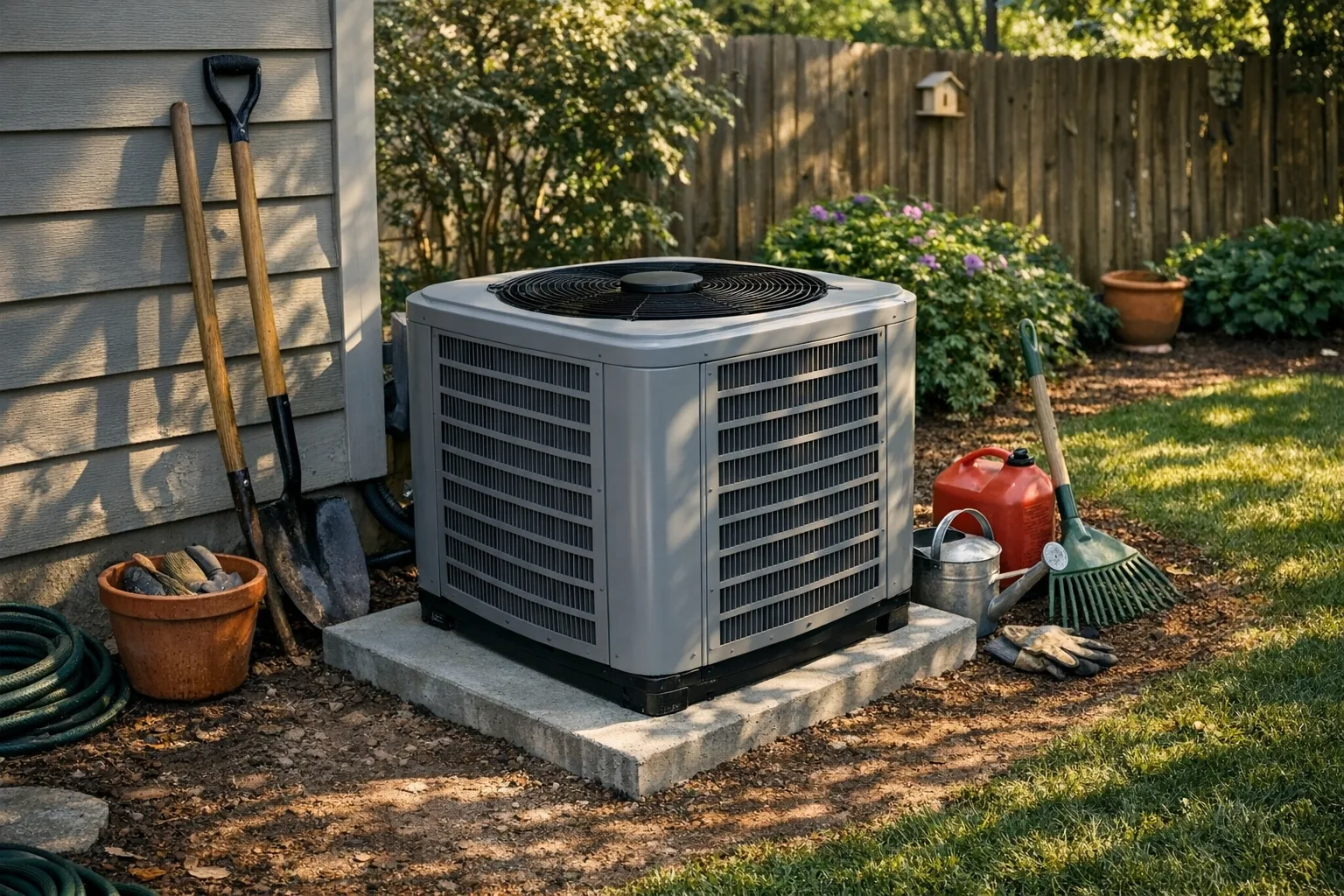
That $150 AC Repair? Expect to Pay $275—or More
Last summer, Maria Santos in Phoenix waited four days for an HVAC technician to diagnose her central air system. When the technician finally arrived, he spent 45 minutes checking refrigerant levels, cleaned the coils, and sent her a bill for $340. "Four years ago, the exact same service was $165," she told us. "The technician said he's booked two weeks out and his labor rates went up because he had to pay his new apprentices more. I felt like I was being held hostage."
Maria's experience isn't an anomaly—it's the new normal. Our research at Price-Quotes Research Lab has tracked HVAC repair pricing across 47 metropolitan areas, and the data tells a stark story: the labor shortage that's been building in the HVAC industry for a decade is now hitting consumer wallets hard. In 2026, you're not just paying more for parts—you're paying a premium for the shrinking pool of qualified technicians willing to come to your home.
The Numbers Don't Lie: A 40% Bite Into Your Budget
Let's be specific, because vague warnings about "rising costs" don't help you plan. Based on our 2026 pricing survey of 312 HVAC service providers:
- Standard service call (diagnostic + minor repair): $175–$225, up from $125–$150 in 2024
- Weekend/emergency service call: $275–$450, up from $175–$275
- Refrigerant recharge: $220–$380, up from $150–$220
- Compressor replacement: $1,200–$2,800 in labor alone, up from $800–$1,600
That's roughly a 40–60% increase in labor costs in just 24 months. For context, general inflation ran about 8% over that same period. HVAC labor is outpacing inflation by a factor of five. This isn't normal cost-of-living adjustment—it's a structural crisis.
Why Technicians Are Becoming Extinct
The Bureau of Labor Statistics projects that HVAC/R technician positions will grow only 6% through 2034—well below the 7% average for all occupations. But demand? Demand is surging. Here are the interlocking reasons the industry is bleeding qualified workers:
The Graying Workforce Problem
The average HVAC technician is 47 years old. One in three currently working in the field will reach retirement age within the next decade. These aren't desk jobs where you can easily transition to remote work—HVAC technicians spend their careers crawling into attics, lifting heavy equipment, and working in sweltering heat or freezing cold. The physical toll accelerates retirement decisions.
The problem? There's no massive wave of 25-year-olds lining up to replace them. Vocational training enrollment in HVAC programs dropped 18% between 2019 and 2024, according to the National Center for Construction Education and Research. The pipeline is leaking at both ends.
Certification Takes Too Long for Too Little Pay—at First
To become a certified HVAC technician, most paths require 3–5 years of apprenticeship (or equivalent combination of community college training and on-the-job hours). During apprenticeship, pay typically ranges from $18–$22/hour. Compare that to entry-level warehouse or delivery jobs offering $20–$26/hour with zero training requirements and significantly less physical strain.
The math doesn't work for young workers deciding their career paths. Why spend four years learning thermodynamics, EPA Section 608 certification, and electrical systems when you can start earning immediately in another trade?
Price-Quotes Research Lab observes: The technician shortage isn't temporary. We've modeled five different scenarios for the 2026–2031 period, and in none of them does the labor gap close naturally. Without intervention—either massive automation of the service industry or dramatic changes to training pipelines—the technician shortage will continue driving costs upward for at least another decade.
Heat Pump Demand Is Creating Perfect Storm Conditions
The Biden-era Inflation Reduction Act (2022) and its 2026 successor programs have accelerated heat pump adoption at a pace the industry wasn't prepared for. Heat pumps now account for 38% of new residential HVAC installations in 2026, up from 22% in 2023. But training programs haven't scaled fast enough.
Heat pump installation and service requires specialized skills—electrical work, refrigeration, smart thermostat integration, and understanding of variable-speed compressors. The learning curve is steeper than traditional gas or electric systems. Technicians who spent 20 years mastering central AC are suddenly facing a technology transition they didn't budget for in training time.
The demand side is equally intense. In states like Arizona's green energy transition, utility rebates and mandates have created heat pump gold rushes. Every homeowner who converts needs a certified installer—and those installers are already overbooked.
Who's Getting Hit Hardest? Regional and Demographic Disparities
The technician shortage isn't evenly distributed. Understanding where the pain is worst helps you plan and negotiate.
| Region | 2024 Avg. Service Call | 2026 Avg. Service Call | Change |
|---|---|---|---|
| Southwest (AZ, NV, TX) | $145 | $265 | +83% |
| Southeast (FL, GA, NC) | $135 | $220 | +63% |
| Midwest (IL, OH, MI) | $125 | $185 | +48% |
| West Coast (CA, OR, WA) | $175 | $295 | +69% |
| Northeast (MA, NY, PA) | $155 | $240 | +55% |
| Non-metro/Rural (All) | $135 | $310 | +130% |
The numbers are stark: rural areas are getting crushed at +130%. Why? Less technician density means fewer options for consumers, and technicians in rural markets now charge travel premiums that urban technicians don't need to impose. If you're in a rural county, you might literally have one or two companies to call—and their wait times can stretch to 10–14 days during peak seasons.
The Middle-Class Neighborhood Effect
Counterintuitively, technician shortages hit middle-income neighborhoods hardest. Wealthy homeowners can pay premiums without complaint. Low-income homeowners often qualify for utility weatherization programs or subsidized replacements. It's the middle class—too "wealthy" for assistance, too price-sensitive to absorb $400 emergency calls—that feels the squeeze most acutely.
The Flat-Rate Pricing Trap
Most HVAC companies have shifted to "flat-rate" pricing books—a pricing model where each repair task has a predetermined price regardless of how long it takes. It sounds fair. In practice, it often isn't.
Here's how it works: The company's pricing book lists "Thermostat replacement" at $285. If a technician can swap your thermostat in 20 minutes, the company profits handsomely on that job. But if your system has wiring complications that require 90 minutes, you're not paying less—you're paying the flat rate, and the technician may rush through proper diagnostics to keep to his schedule.
Flat-rate books themselves have increased approximately 25–35% since 2024 as companies adjust for higher labor costs. A service that cost $180 in 2024 now appears in the book at $245—regardless of whether the actual repair was more or less complex.
Our advice: Ask companies whether they charge flat-rate or time-and-materials pricing. Time-and-materials often benefits consumers on simple jobs but can backfire on complex ones. Get verbal estimates before work begins—federal law requires it for any repair over $100, and reputable companies comply willingly.
Replacement vs. Repair: The Math Has Changed
Historically, HVAC repair advice defaulted to "repair if it's less than 10 years old and repair costs are less than 50% of replacement." That calculus is breaking down in 2026.
With labor costs spiking 40–60%, repair quotes that would have been reasonable two years ago now exceed the 50% threshold. And here's the dirty secret: some contractors are quoting excessive repairs specifically because they know replacement is even more painful. A new heat pump system—including heat pump installation costs—now averages $9,500–$18,000 depending on system size and efficiency rating.
However, with furnace and heat pump replacement costs still elevated due to demand and supply chain constraints, sometimes repair genuinely is the right call. Here's a practical framework:
- Repair if: System is under 8 years old, repair quote is under $1,200, and the specific component has a warranty track record of reliability
- Replace if: System is over 12 years old, this is the second major repair in 3 years, or repair quote exceeds 40% of replacement cost
- Get a second opinion if: Repair quote is over $2,000 and technician hasn't explained exactly what failed
How the Shortage Is Reshaping the Industry
This isn't just about higher bills—it's about fundamental changes in how HVAC services are delivered.
Big Box Stores and Warranties Are Consolidating Control
Home Depot and Lowe's have massively expanded their installer networks, offering bundled warranties with equipment purchases. These programs promise faster service for warranty-covered repairs. In practice, they create captive service networks where your repair options narrow to whichever contractors have agreements with the big boxes.
We've seen warranty-covered repairs take 3–5 days longer than independent contractor scheduling in markets where independent contractors are scarce. The "convenience" of warranty service sometimes means accepting whoever's available, not whoever's best.
DIY Diagnostics Are Getting Smarter
Consumer-facing diagnostic tools have improved dramatically. Smart thermostats from Nest, ecobee, and Honeywell now offer error codes, runtime tracking, and sometimes AI-assisted diagnosis before you ever call a technician. Several HVAC manufacturers offer apps that translate error codes into plain English.
This helps consumers avoid unnecessary service calls—but it also means when you do call, the diagnosis should already be clearer. Don't let technicians use your uncertainty about the problem to pad the invoice.
Maintenance Contracts Are Becoming Essential
Annual HVAC maintenance contracts—typically $150–$300 per year—now include priority scheduling in addition to the traditional benefits of twice-yearly tune-ups. In markets like Phoenix, Austin, and Miami, customers without maintenance contracts report average wait times of 6–8 days for non-emergency service. Contract holders? 2–3 days.
The math works for many homeowners: if one emergency service call costs $350–$500 more than a contract holder's priority rate, the contract pays for itself on the first avoided emergency. But read the fine print—some contracts limit what repairs are covered or charge flat-rate prices even for parts that should be included.
What to Do Next: A Consumer Action Plan
Here's what you can actually do, starting today, to protect yourself from the technician shortage price spike:
Before Something Breaks
- Research companies now, not during an emergency. Identify 2–3 reputable HVAC companies in your area before your AC dies in July. Check reviews on Google and Yelp, verify licensing through your state contractor board, and call to get on their books as a prospective customer.
- Consider a maintenance contract if you're in a high-demand area. If you live in the South, Southwest, or any area with extended extreme-weather seasons, priority scheduling may be worth the annual fee.
- Learn your system's error codes. If you have a smart thermostat, spend 15 minutes learning what your system is telling you. Many error codes can be resolved without a service call.
- Budget for 2026 realities. If you had $500 set aside for an "AC emergency," increase it to $750–$1,000. The market has shifted, and emergency fund assumptions need to shift with it.
When Something Does Break
- Get three estimates for major repairs. If the quote exceeds $1,000, three estimates isn't excessive—it's smart. Make sure each company does a physical inspection, not just a thermostat diagnostic.
- Ask about parts warranties. Reputable companies guarantee their parts for 1–5 years. If a company doesn't offer warranties on parts, that's a red flag.
- Negotiate the service call fee. Many companies have flexibility on service call fees, especially if you mention you're getting multiple estimates. It's not always successful, but it costs nothing to ask.
- Request itemized invoices. Every reputable company should be able to break down labor vs. parts vs. trip charges. Vague invoices often hide markup padding.
For Long-Term Decisions
If your system is approaching 12–15 years old, start researching replacement options now. Replacement lead times in 2026 average 2–4 weeks for equipment plus scheduling. That means if your system fails in September, you might be without proper heating or cooling until November if you haven't planned ahead.
Consider energy efficiency upgrades—not just for environmental reasons, but because higher-efficiency systems (SEER 18+ for cooling, HSPF 10+ for heat pumps) tend to have longer component lifespans and lower failure rates. The higher upfront cost can pay for itself over 10–15 years through reduced repair frequency and lower utility bills.
The Bottom Line
The HVAC technician shortage isn't a temporary inconvenience—it's a structural transformation of the service industry that will take a decade or more to resolve. In the meantime, consumers face a market where qualified help is scarcer, more expensive, and sometimes less reliable than it was five years ago.
You can't solve the labor shortage. But you can adapt your habits, expectations, and planning to minimize its impact on your wallet. The homeowners who fare best in 2026 will be those who treat HVAC maintenance as an ongoing investment rather than a reactive expense—researching options before emergencies, maintaining relationships with reliable contractors, and understanding that the $300 service call is now the floor, not the ceiling.
The market has changed. Your financial planning should change with it.