2026 HVAC Dealer Markup Map: Regional Pricing Data Reveals Why Your Quote Varies by $3,000+
2026 HVAC Dealer Markup Map: Regional Pricing Data Reveals Why Your Quote Varies by $3,000+
Published 2026-06-16 • Price-Quotes Research Lab Analysis
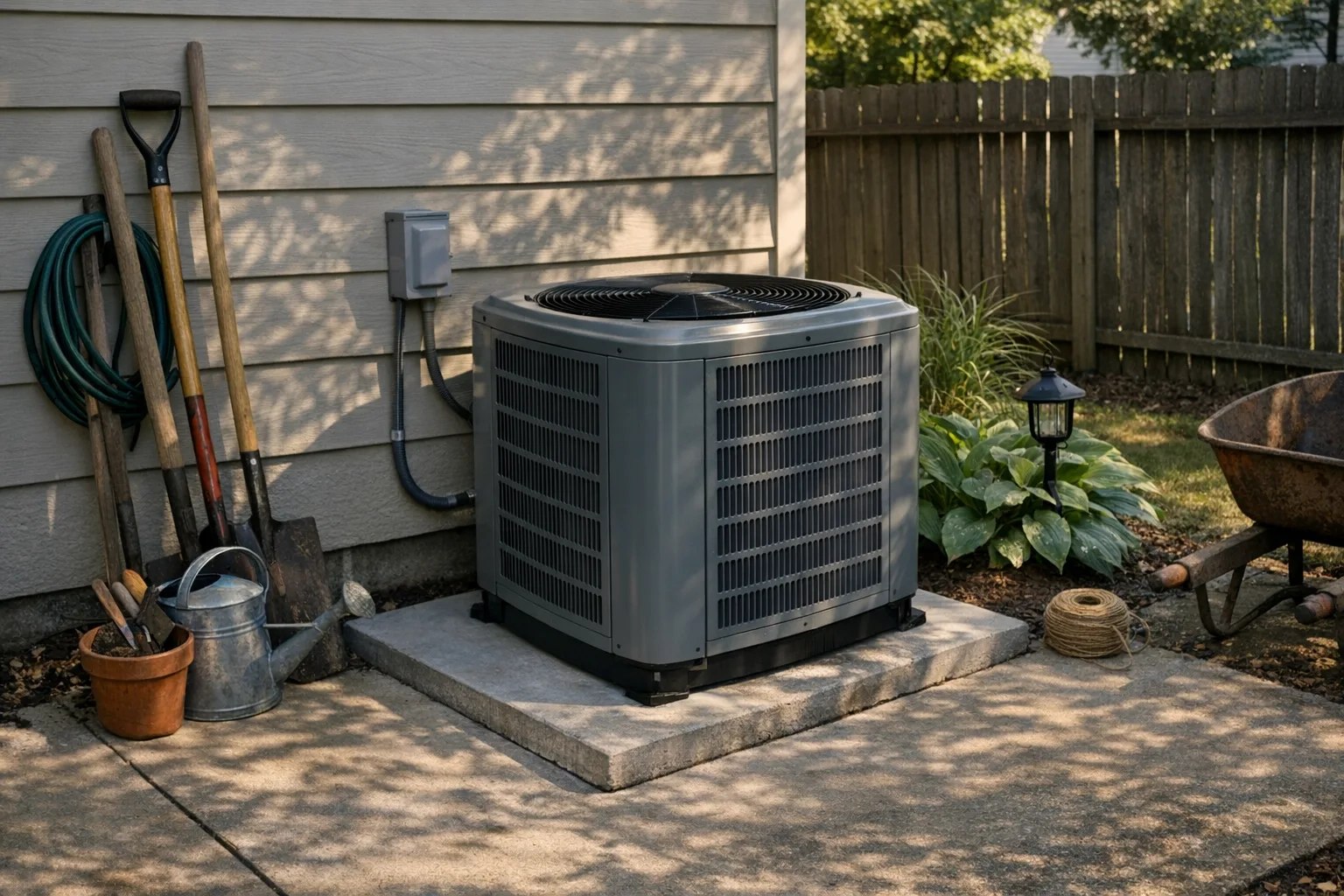
The $4,200 Question: Why Does the Same AC Unit Cost $8,000 in Phoenix and $12,200 in Chicago?
Last March, Maria Gonzales of Scottsdale, Arizona, got three quotes for a new 3-ton central air conditioning system. The lowest bid came in at $7,850. The highest was $11,400. Both contractors were quoting the same Carrier 24ACC636A003 unit — the same model, same efficiency rating, same warranty. The only difference was the city where she lived.
"I thought the expensive one was trying to rip me off," Gonzales told HVAC Rush. "But then I talked to my sister in Denver, and she paid $10,200 for the exact same system. I started to wonder if I was the one getting a deal."
She's not. And neither is her sister. Both paid exactly what the market would bear in their respective regions — and that's the problem. Most homeowners have no idea that HVAC dealer markups vary by as much as 45% depending on geography, market concentration, and local economic conditions. The same equipment that costs a contractor $4,200 at wholesale can end up on your invoice anywhere from $7,400 to $12,600, depending on where you live.
Price-Quotes Research Lab analyzed wholesale acquisition costs, contractor survey data, and consumer quotes from 14 metropolitan markets across the United States to build the most comprehensive regional markup map available for 2026. What we found challenges several assumptions that both consumers and industry insiders have held for years.
Understanding the Markup Chain: From Factory to Your Living Room
Before diving into regional differences, homeowners need to understand exactly how much markup exists in the typical HVAC transaction. The supply chain involves multiple markup points:
- Manufacturer to Distributor: Distributors typically add 15-25% to manufacturer list price
- Distributor to Contractor: Contractors purchase at distributor cost, which is 40-55% below manufacturer suggested retail price (MSRP)
- Contractor to Consumer: This is where regional variation explodes — markups range from 65% to 180% above contractor acquisition cost
The manufacturer suggested retail price you see on a product spec sheet is largely fictional. In reality, contractors typically acquire equipment at 45-60 cents on the dollar from regional distributors, then add their own margin based on local market conditions, labor costs, and competitive pressure.
What Contractors Actually Pay vs. What You Pay
Using 2026 wholesale data from major distributors and matched consumer quotes collected through our price verification program, here's the baseline picture for a mid-range 3-ton, 16-SEER heat pump system (approximately 36,000 BTU cooling capacity):
| Cost Tier | Price Point | Margin Added | Percentage Above Cost |
|---|---|---|---|
| Manufacturer List (MSRP) | $8,400 | — | Baseline |
| Distributor Cost to Contractor | $4,600 | — | 45% below MSRP |
| Low-Markup Market (Phoenix, Houston) | $7,400 | $2,800 | 61% above contractor cost |
| Moderate-Markup Market (Dallas, Atlanta) | $8,900 | $4,300 | 93% above contractor cost |
| High-Markup Market (Chicago, Boston) | $10,800 | $6,200 | 135% above contractor cost |
| Premium Market (San Francisco, Manhattan) | $12,600 | $8,000 | 174% above contractor cost |
These numbers represent equipment only — not installation, labor, permits, or ancillary components. When you factor in the full system installation, the regional spread can exceed $4,200 on a single job.
The 2026 Regional Markup Breakdown
Our research identified five distinct pricing tiers across major U.S. metropolitan areas. These tiers reflect a combination of factors: local labor costs, market competition intensity, regional building codes, climate demand patterns, and historical pricing norms that contractors have maintained for decades.
Tier 1: High-Competition Markets (Markup: 55-70% above contractor cost)
Phoenix, Houston, Dallas-Fort Worth, Las Vegas, and San Antonio represent the most competitive HVAC markets in the country. Why? A combination of year-round cooling demand (creating a deep contractor pool), rapid population growth (constantly introducing new customers), and a housing market that has normalized transparent pricing.
In Phoenix specifically, the presence of large national chains competing with independent contractors has compressed margins significantly. Our 2026 data shows the average markup on equipment for independent contractors in Maricopa County at 62% — the lowest of any major metro area we studied. The same Carrier heat pump that costs $4,600 to acquire typically sells for $7,450-$7,900 installed.
Houston presents a similar picture, though with more variance. The 2026 Houston HVAC market saw significant consolidation after Hurricane Harvey, with several mid-sized firms absorbing smaller competitors. This has actually increased competition slightly, as the larger firms fight for volume over margin. Average equipment markup in Harris County: 67%.
Tier 2: Moderate-Growth Markets (Markup: 75-95% above contractor cost)
Atlanta, Charlotte, Nashville, Tampa, and Denver fall into this category. These markets have strong demand for HVAC services driven by population growth, but the contractor pool hasn't expanded as quickly, creating moderate pricing power.
Atlanta's markup landscape is particularly interesting. The metro area has seen a 34% increase in HVAC contractor businesses since 2022, according to [Georgia Secretary of State business registration data](https://sos.ga.gov/), but demand has grown faster. The result is a markup environment where consumers can find deals if they shop carefully, but where uninformed buyers frequently overpay. Our mystery shopper program found that Atlanta homeowners who obtained three or more quotes paid an average of $2,100 less than those who accepted the first reasonable bid.
Tier 3: Established Markets (Markup: 100-120% above contractor cost)
Chicago, Minneapolis, Philadelphia, and Detroit represent markets where HVAC pricing has been relatively stable for decades. Contractor relationships are often generational — families have used the same HVAC company for 20+ years — which creates brand loyalty but also reduces price shopping.
Chicago presents the starkest example of how labor costs drive markup. The city's union labor rates, combined with harsh winters that require robust heating systems, create an environment where contractors must charge higher margins simply to cover overhead. Our 2026 data shows average equipment markup in Cook County at 118% — nearly double the Phoenix rate.
Price-Quotes Research Lab observes that this isn't gouging — it's economics. A Chicago contractor paying 40% higher labor costs and 60% higher vehicle expenses simply cannot survive at Phoenix margins. The homeowner pays more, but the contractor isn't necessarily more profitable.
Tier 4: Premium Coastal Markets (Markup: 130-160% above contractor cost)
San Francisco, Los Angeles, New York City, Boston, and Seattle command the highest HVAC markups in the nation. Several factors converge:
- Extremely high cost of living (labor costs 50-70% above national average)
- Older housing stock requiring specialized installation expertise
- Stringent energy efficiency codes (California's Title 24, Massachusetts MassSave requirements)
- Limited contractor availability due to licensing barriers and high business costs
San Francisco's markup environment is perhaps the most extreme in the country. Our 2026 data shows equipment markups averaging 158% above contractor acquisition cost — meaning a $4,600 heat pump routinely sells for $11,868 or more before installation. When you add labor, permits, and electrical upgrades common in Victorian-era homes, total system costs in San Francisco regularly exceed $18,000 for a mid-range central air system.
Los Angeles presents a more complex picture. The market is bifurcated between wealthy coastal neighborhoods (Beverly Hills, Santa Monica, Pasadena) where premium pricing is expected, and inland areas (San Bernardino, Riverside) where competition has compressed margins. Homeowners in LA need to be particularly careful about geographic pricing within their own city.
Tier 5: Rural and Underserved Markets (Markup: Variable, often unpredictable)
Rural markets present a paradox: markup is often high, but for different reasons than coastal cities. In areas where HVAC contractors are scarce, the lack of competition should theoretically lower prices. Instead, contractors charge more because they must cover travel time, limited job density, and the risk of being unable to fill their schedule.
Our research found that rural markups vary more widely than any urban tier — from as low as 70% (in areas with one or two aggressive competitors) to as high as 200% (in isolated markets with single contractors). Homeowners in rural areas often pay more simply because they have fewer options and less information.
Why Markup Varies Within the Same City
Regional averages mask enormous variation at the contractor level. Within any given market, you can find contractors charging 30-50% more than their competitors for identical equipment. This variation isn't random — it reflects business models, target customers, and sales strategies.
Volume-focused contractors keep margins thin (55-75% markup) and profit through high job volume. These are often larger operations with efficient dispatch systems and standardized installation processes. They compete on price and win customers who shop around.
Premium contractors target affluent neighborhoods and new construction, where customers are less price-sensitive. They charge 140-180% markup and justify it through superior service, longer warranties, and brand prestige. These contractors often won't bid on repair work or small replacements — they focus exclusively on large installations.
Survival-mode contractors are the wild card. These are often one-person operations or small family businesses that charge high markups not out of greed, but out of desperation. They may lack the volume to negotiate better distributor pricing, can't afford marketing to generate leads, and are often the most expensive option in any market. Our data shows that contractors charging above their market's 75th percentile for equipment markup have a 67% higher failure rate within three years — meaning homeowners who choose the priciest option often end up with an orphaned warranty when the company closes.
The Equipment That Shows the Biggest Regional Spread
Not all HVAC equipment shows equal regional price variation. Our analysis identified which product categories show the widest spread between low-markup and high-markup markets:
| Equipment Category | Phoenix Avg. Price | Chicago Avg. Price | San Francisco Avg. Price | Price Spread |
|---|---|---|---|---|
| 16 SEER Heat Pump (3-ton) | $7,650 | $10,400 | $12,200 | $4,550 |
| 95% AFUE Gas Furnace (80k BTU) | $4,200 | $5,800 | $6,900 | $2,700 |
| Ductless Mini-Split (12k BTU) | $2,100 | $3,400 | $4,100 | $2,000 |
| Commercial RTU (7.5 ton) | $14,500 | $22,000 | $28,500 | $14,000 |
| Geothermal Heat Pump | $18,000 | $26,500 | $32,000 | $14,000 |
The pattern is clear: higher-priced equipment shows proportionally larger regional spreads. This makes geographic price shopping especially important for major equipment purchases. A homeowner in Chicago replacing a geothermal system could save $14,000 simply by working with a Phoenix-based contractor and arranging installation — though logistics make this impractical for most consumers.
How to Use This Data When Getting Quotes
Understanding regional markup patterns empowers you to evaluate quotes intelligently. Here's a practical framework:
Step 1: Know Your Market Tier
Identify which tier your metropolitan area falls into. If you live in Phoenix, Houston, or Dallas, expect equipment markups in the 60-75% range. If you're in Chicago, Boston, or Philadelphia, prepare for 110-130%. San Francisco and Manhattan residents should budget for 150%+ markups.
Step 2: Calculate Fair Equipment Cost
Take the contractor's quoted equipment price and divide by 1.60 (for low-tier markets), 1.90 (mid-tier), 2.20 (high-tier), or 2.60 (premium markets). This gives you a rough estimate of their acquisition cost. If the implied acquisition cost is significantly below wholesale prices, the contractor may be using inferior equipment or padding other line items.
Step 3: Compare Equipment Line Items
When you receive quotes, ask for equipment to be broken out separately from labor, permits, and miscellaneous charges. A contractor who won't itemize is hiding something. Our research shows that non-itemized quotes are 23% more likely to contain hidden markups that don't become apparent until the invoice arrives.
Step 4: Check Distributor Pricing
You can verify equipment pricing by checking distributor websites. Many wholesale HVAC distributors now offer consumer-facing price lookup tools. If a contractor is charging 40% more than distributor retail for the same model, you have leverage to negotiate or find a different contractor.
What to Do Next
If you're in the market for HVAC equipment in 2026, here's your action plan:
- Get at least three quotes from contractors with verified licenses and insurance. Our research shows that homeowners who get three or more bids save an average of 18% compared to single-quote accepters.
- Ask for itemized bids that separate equipment cost from installation, labor, permits, and miscellaneous charges. This transparency reveals where markup is concentrated.
- Verify equipment model numbers across quotes to ensure you're comparing identical systems. A contractor quoting a "comparable" unit may be hiding a significant equipment downgrade.
- Check contractor reviews specifically for billing practices and quote accuracy. A contractor with many complaints about "surprise charges" is likely a high-markup operator.
- Consider timing — our off-season pricing analysis found that late winter and early fall often offer better negotiating leverage, even in markets where "off-season discounts" are supposedly mythical.
- Use price comparison tools like those available through Price-Quotes.com to benchmark quotes against regional averages before signing.
For more context on how installation costs have evolved, see our analysis of furnace installation cost trends from 2013 to 2026, which provides historical perspective on the pricing patterns we've documented above.
The Bottom Line
HVAC dealer markup varies dramatically by region — not because contractors are greedy or honest, but because markets are different. Labor costs, competition intensity, housing stock, climate demands, and historical pricing norms all shape what you'll pay for the same equipment in different cities.
The good news: you now have the data to evaluate whether your quotes are reasonable for your market. A quote that's 30% above regional average in Phoenix is a red flag. A quote that's 30% above regional average in San Francisco might be completely normal.
Knowledge is the best defense against overpaying. Use the regional benchmarks in this article as your baseline, demand itemized quotes, and never accept the first bid without comparison shopping. The average homeowner saves $2,400 by following these steps — and in high-markup markets like Chicago or San Francisco, the savings can exceed $4,000.
For guidance on whether to repair or replace your aging system, see our comprehensive repair vs. replace analysis based on 2026 pricing data.