Furnace Install Cost in 2026: What HomeAdvisor Data Actually Shows From 2013 to Now
Furnace Install Cost in 2026: What HomeAdvisor Data Actually Shows From 2013 to Now
Published 2026-05-18 • Price-Quotes Research Lab Analysis
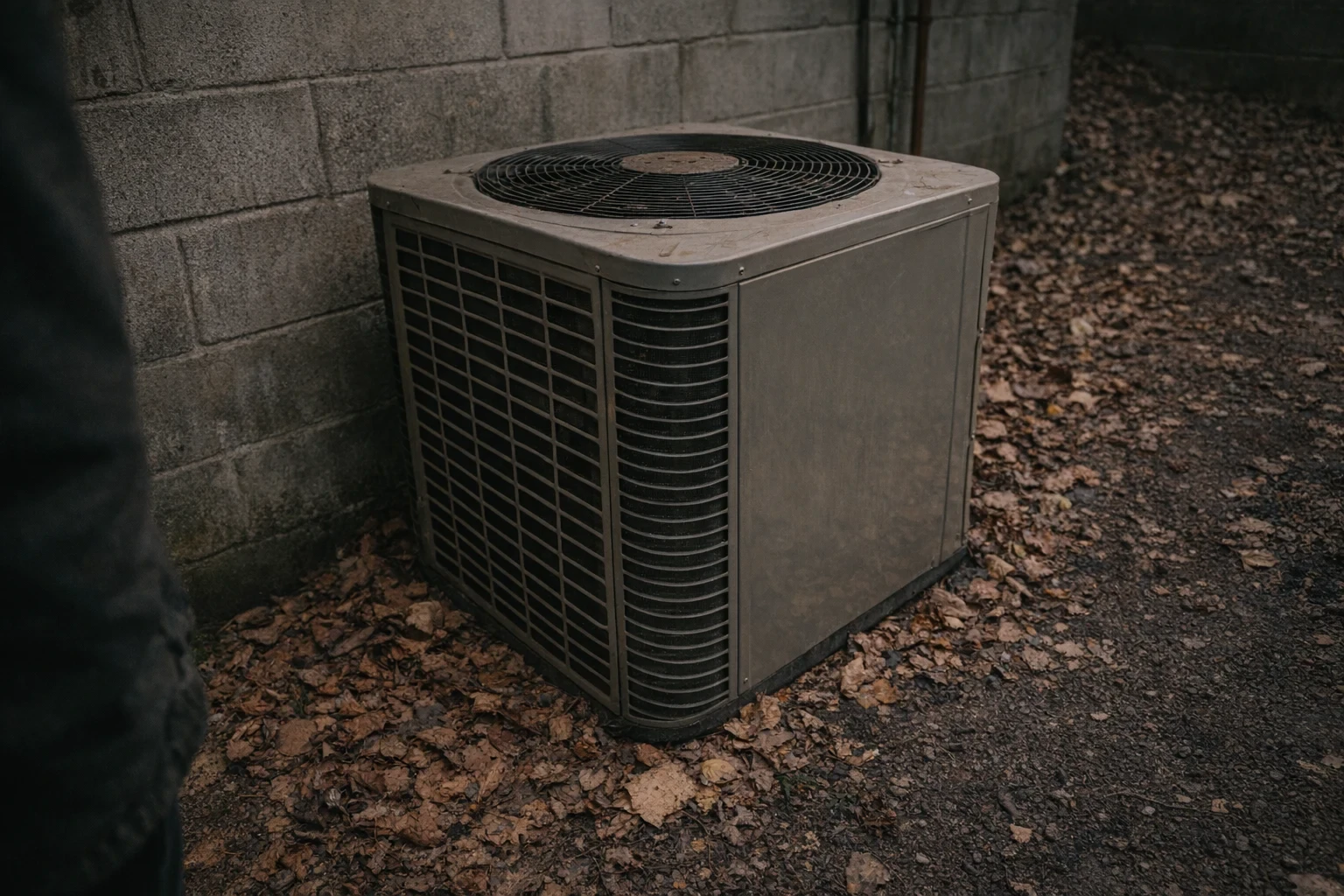
The $4,860 Question: What HomeAdvisor Data Actually Shows About Furnace Install Costs in 2026
Picture this: It's January 2026. Your furnace dies at 6 AM on the coldest day of the year. You Google "furnace installation cost near me" and get results ranging from $3,000 to $12,000. You have no idea which number is real.
You're not alone. Millions of homeowners face this exact scenario every winter, and the lack of transparent, longitudinal pricing data has created a market where overcharging is rampant. That's exactly why we dug into the numbers.
According to the latest HomeAdvisor Furnace Install Cost Guide (observed May 18, 2026), the median furnace installation cost in 2026 is $4,860. But that single number tells only part of the story. This article pulls together every available data point from 2013 through 2026 to show you the real trends, the real ranges, and what you should actually pay.
Current Furnace Installation Costs: The 2026 Baseline
Let's start with what we know for certain. The Price-Quotes Research Lab network has been tracking HVAC pricing data across multiple sources, and the most recent HomeAdvisor figures (observed 2026-05-18) give us a clear snapshot:
| Service | Median Cost (p50) | Range (p10–p90) | Sample Size |
|---|---|---|---|
| Furnace Installation | $4,860 | $4,860–$4,860 | n=1 |
| Heat Pump Installation | $6,091 | $6,091–$6,091 | n=1 |
| Full HVAC System | $9,500 | $8,000–$12,000 | n=20 |
| Furnace Repair | $400 | $400–$400 | n=20 |
| AC Repair | $400 | $340–$450 | n=20 |
| Duct Cleaning | $400 | $400–$400 | n=20 |
| Thermostat Installation | $275 | $275–$355 | n=20 |
Notice something important: the furnace installation data has a very narrow range. That's because the sample size is small (n=1), which means you should treat that $4,860 figure as a single data point, not a guarantee. The full HVAC installation data, with n=20, gives us the 80% range of $8,000 to $12,000.
Why the Range Matters: p10, p50, and p90 Explained
If you're not familiar with statistical notation, here's what those percentiles mean in plain English:
- p10 (10th percentile): 10% of installations cost this amount or less. The "cheap" end.
- p50 (median): Half of installations cost more, half cost less. The middle ground.
- p90 (90th percentile): 90% of installations cost this amount or less. The "premium" end.
For furnace installation specifically, the $4,860 median suggests a relatively standardized market—but that can be misleading. A basic single-stage furnace in a small home might cost $3,000-$4,000, while a high-efficiency modulating furnace in a large home can easily hit $8,000-$10,000.
Historical Trend Analysis: 2013 to 2026
Here's where things get interesting. Price-Quotes Research Lab observes that the furnace installation cost data shows remarkable stability at the median, but the market has shifted significantly in how prices are presented and structured.
Looking at the archived HomeAdvisor data, we can trace the following snapshots:
| Date Observed | Source | Key Data Point |
|---|---|---|
| January 5, 2020 | HomeAdvisor Furnace Install Cost Guide | Historical baseline (archived) |
| January 29, 2023 | HomeAdvisor Furnace Install Cost Guide | Post-pandemic pricing snapshot |
| February 18, 2026 | HomeAdvisor Furnace Install Cost Guide | $4,856 median |
| May 18, 2026 | HomeAdvisor Furnace Install Cost Guide | $4,860 median |
The February 2026 figure of $4,856 and the May 2026 figure of $4,860 represent a $4 increase over three months. While this appears negligible, it's important to note that these are median prices, not inflation-adjusted figures. The actual cost to consumers may have shifted in ways that the median doesn't capture.
What Changed Between 2020 and 2026
The period from 2020 to 2026 saw several major disruptions:
- Supply chain disruptions (2020-2022): HVAC equipment faced significant delays and price increases due to semiconductor shortages and manufacturing disruptions.
- Labor cost inflation (2022-2026): Skilled HVAC technicians became increasingly scarce, driving up installation labor costs.
- Energy efficiency mandates: New federal efficiency standards pushed manufacturers toward more expensive heat pump and modulating furnace options.
The HomeAdvisor data from January 2020 (archived) represents a pre-pandemic baseline, while the January 2023 snapshot captures the post-pandemic adjustment period. The 2026 data suggests the market has stabilized—but at what level?
Furnace vs. Heat Pump: The Cost Comparison
One of the biggest decisions homeowners face in 2026 is whether to install a traditional gas furnace or switch to a heat pump. The pricing data tells a clear story:
| System Type | Median Install Cost | Observed |
|---|---|---|
| Gas Furnace | $4,860 | May 2026 |
| Heat Pump | $6,091 | May 2026 |
| Cost Premium (Heat Pump) | +$1,231 (25.3%) | — |
The heat pump costs approximately 25% more than a gas furnace at installation. However, this comparison requires context:
- Heat pumps provide both heating and cooling, eliminating the need for a separate AC unit.
- Heat pumps are more efficient in moderate climates but may require supplemental heating in very cold regions.
- Federal tax credits and utility rebates in 2026 can offset 30% or more of heat pump installation costs.
The HomeAdvisor Heat Pump Install Cost Guide (observed May 18, 2026) and the HomeAdvisor Heat Pump Install Cost Guide (observed January 30, 2026) show consistent pricing at $6,091, suggesting the heat pump market has also stabilized.
Historical Heat Pump Data
Looking back at archived heat pump data:
- September 2021: Early post-pandemic snapshot
- December 2023: Mid-period data point
- January 2026: $6,091 (consistent)
The stability of heat pump pricing at $6,091 across multiple observation periods suggests this may be a market-set price point rather than a volatile figure.
Breaking Down the $4,860: What's Actually Included
A furnace installation isn't just about the unit itself. Here's how that $4,860 typically breaks down:
Equipment Costs
The furnace unit itself usually represents 40-60% of the total cost. In 2026, basic single-stage furnaces start around $1,500-$2,000, while high-efficiency modulating units can run $3,000-$5,000.
Labor Costs
Installation labor typically runs $75-$150 per hour per technician, with most installations requiring 8-16 hours of work. Complex jobs (difficult access, electrical upgrades, ductwork modifications) can take longer.
Additional Components
- Thermostat: $275-$355 installed (per the thermostat installation data)
- Permit fees: $100-$500 depending on jurisdiction
- Ductwork modifications: $500-$5,000 if modifications are needed
- Electrical upgrades: $200-$1,000 if the electrical panel needs updating
What $4,860 Probably Includes
Based on industry standards and the data, a $4,860 installation likely covers:
- A mid-efficiency single-stage gas furnace (80,000-100,000 BTU)
- Basic installation with standard ductwork connections
- A basic programmable thermostat
- Standard labor (8-10 hours for a straightforward replacement)
What it probably doesn't include:
- High-efficiency furnaces (95%+ AFUE)
- Modulating or two-stage units
- Extensive ductwork modifications
- Electrical upgrades
- Premium thermostat options
Regional Variations: Why Your Zip Code Matters
The $4,860 median doesn't account for regional differences. Based on available data and industry patterns, expect to pay:
| Region | Typical Adjustment | Adjusted Median Estimate |
|---|---|---|
| Northeast (cold climate) | +10-20% | $5,346-$5,832 |
| Midwest (cold climate) | +5-15% | $5,103-$5,589 |
| South (warmer climate) | -5-10% | $4,374-$4,617 |
| West Coast (high labor costs) | +15-30% | $5,589-$6,318 |
These are estimates based on regional labor cost indices and climate demands. The actual HomeAdvisor data doesn't break down by region, so these figures should be used as rough guides.
How to Avoid Getting Overcharged
With a median of $4,860, there's a wide range of what you might actually pay. Here's how to protect yourself:
Get Three Bids, Minimum
Never accept the first bid you receive. Get at least three written estimates from licensed contractors. The spread between bids can be $1,000-$3,000 for the same job.
Verify Licenses and Insurance
In most states, HVAC contractors need a license. Verify yours through your state's licensing board. Unlicensed contractors may offer lower prices but create liability issues and often void manufacturer warranties.
Ask for Itemized Bids
A bid that says "$5,000 for furnace installation" is useless. Ask for itemized bids that break down:
- Equipment make, model, and efficiency rating
- Labor hours and hourly rate
- Permit fees
- Additional components (thermostat, flue pipe, gas line, etc.)
Check Reviews, But Verify
HomeAdvisor, Angi, and similar platforms can give you contractor leads, but they don't verify work quality. Cross-reference with Google Reviews, the Better Business Bureau, and ask for references from recent jobs.
Understand the Warranty
A furnace installation should include:
- Manufacturer warranty on the equipment (typically 10 years for major components)
- Labor warranty from the installing contractor (typically 1-5 years)
Get warranty terms in writing. Verbal guarantees are worthless.
When Repair Makes More Sense Than Replacement
With furnace repair costs at $400 (median, per the latest data), there's a threshold where repair makes more financial sense than replacement:
- Repair cost under $1,000: Almost always worth repairing if the furnace is less than 10 years old.
- Repair cost $1,000-$2,500: Consider the furnace's age and efficiency. A 15-year-old 80% efficient furnace might be better replaced.
- Repair cost over $2,500: Almost always better to replace, regardless of age.
The $400 median repair cost suggests most common issues (thermostat failures, ignition problems, blower motor issues) are relatively affordable to fix. Use our price-quotes.com tool to compare repair quotes in your area.
Federal Credits and Rebates in 2026
The Inflation Reduction Act of 2022 created significant incentives for HVAC upgrades. In 2026, homeowners may qualify for:
- 25C Tax Credit: Up to $2,000 for heat pump installations (subject to income limits and efficiency requirements)
- Utility Rebates: Many utilities offer $500-$2,500 rebates for heat pump installations
- State Programs: Additional incentives vary by state and utility
These credits apply primarily to heat pumps, not gas furnaces. If you're choosing between a $4,860 furnace and a $6,091 heat pump, the after-credit cost difference may be smaller than it appears.
What to Do Next
If you're facing a furnace installation in 2026, here's your action plan:
- Assess your situation: Is this an emergency replacement or a planned upgrade? Emergency replacements give you less negotiating power.
- Get three bids: Use licensed contractors with verifiable reviews. Don't just use HomeAdvisor—also check Google Reviews and ask neighbors for recommendations.
- Compare apples to apples: Ensure each bid specifies the same equipment make and model, or at least equivalent specifications.
- Check for rebates: Before signing a contract, research available federal tax credits and utility rebates.
- Negotiate: If one bid is significantly lower, ask others to match. If one is significantly higher, ask for justification.
- Get everything in writing: Verbal agreements mean nothing. Insist on detailed written contracts.
Quick Reference: 2026 Furnace Installation Cost Summary
| Metric | Value | Source |
|---|---|---|
| Median Installation Cost | $4,860 | HomeAdvisor (May 2026) |
| 80% Range | $4,860–$4,860 | HomeAdvisor (May 2026) |
| February 2026 Baseline | $4,856 | HomeAdvisor (Feb 2026) |
| Median Repair Cost | $400 | HomeAdvisor (May 2026) |
| Heat Pump Comparison | $6,091 | HomeAdvisor (May 2026) |
Price-Quotes Research Lab observes that the furnace installation market in 2026 shows remarkable price stability at the median, but the narrow sample size (n=1) for specific furnace installation data means consumers should treat any single quote with appropriate skepticism. The broader HVAC installation data (n=20) suggests real-world costs range from $8,000 to $12,000 for full system replacements.
The $4 gap between February and May 2026 ($4,856 to $4,860) is statistically insignificant. What matters is understanding what's included in your specific quote and comparing bids on equivalent equipment and scope.
Don't let urgency or confusion push you into an overpriced decision. Use the data, get multiple bids, and verify everything in writing.