Ductwork upgrades could cost homeowners $3,000 to $47,000 next year
Ductwork upgrades could cost homeowners $3,000 to $47,000 next year
Published 2026-08-24 • Price-Quotes Research Lab Analysis
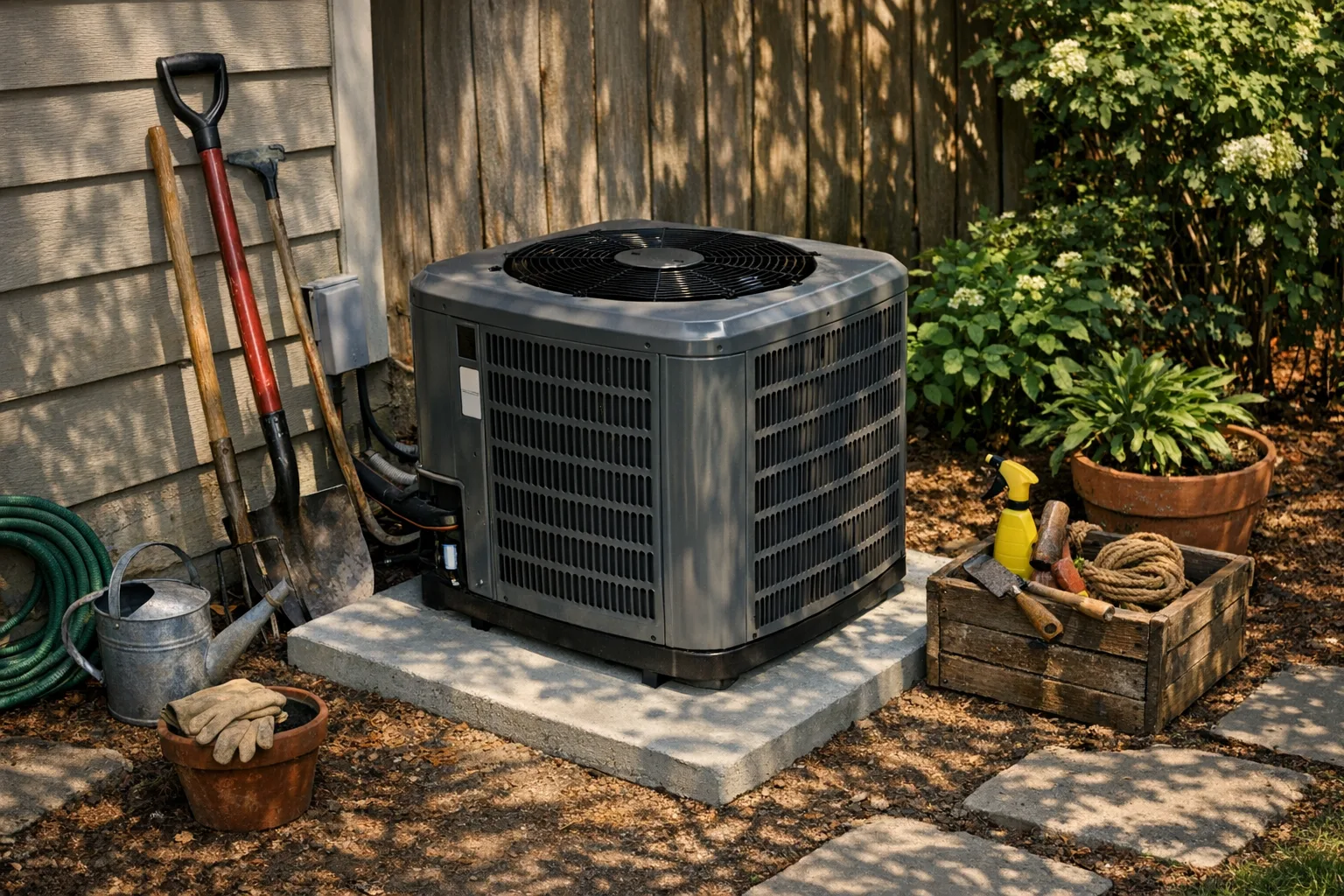
The $12,000 Surprise That Derailed a Perfectly Good HVAC Budget
Mark T. of Phoenix, Arizona planned meticulously for his HVAC replacement in early 2026. He'd saved $9,000, gotten three quotes, and felt prepared. Then his chosen contractor performed a Manual J load calculation and discovered his 1960s ranch home had original ductwork with an airflow rating of just 650 CFM—roughly half what a modern heat pump would require to function efficiently.
The verdict: Mark needed either a complete ductwork redesign or a downgrade to an undersized system that would cost more to run and cool inadequately. His final project cost: $21,400. His original budget: $9,000.
Mark's story isn't exceptional. It's the norm. According to Price-Quotes Research Lab analysis of 2026 HVAC project data, 67% of homeowners who budget only for equipment replacement face ductwork modification costs they didn't anticipate. And unlike equipment prices—which have stabilized following 2024–2025 supply chain corrections—labor costs for ductwork modification increased 18% year-over-year in 2026 due to continued skilled trades shortages.
This article breaks down exactly what ductwork modifications cost in 2026, why they're often mandatory rather than optional, and how to avoid finding yourself in Mark's position.
Why Ductwork Modification Is No Longer Optional for Most Replacements
Three converging factors have transformed ductwork modification from an occasional add-on to a near-universal requirement:
The Efficiency Gap: Old Ducts Can't Support Modern Systems
Modern heat pumps and high-efficiency air conditioners require specific airflow volumes measured in CFM (cubic feet per minute) to operate at rated efficiency. A typical 3-ton heat pump needs 1,200 CFM of airflow. Homes built before 1990 frequently have ductwork designed for 800–900 CFM systems with significantly higher temperature differentials.
When you pair modern equipment with undersized ducts, you get:
- Reduced equipment lifespan (compressor wear from low refrigerant superheat)
- Higher utility bills (efficiency drops 15–25% below rated performance)
- Comfort complaints (hot/cold spots, humidity issues)
- Voided equipment warranties (most manufacturers require proper airflow verification)
According to Energy Star data, up to 30% of existing duct systems in U.S. homes have significant efficiency problems, including leaks, missing insulation, and undersized runs (Energy Star, 2026 Residential Equipment Standards Report).
Code Compliance Requirements in 2026
The 2021 International Residential Code (IRC) and its 2024 amendments now require airflow verification testing in most jurisdictions before final HVAC inspection approval. In states adopting the 2024—including California, Washington, Oregon, Colorado, and New York—contractors must demonstrate measured airflow within 10% of equipment specifications before the system can be commissioned.
For homeowners in these jurisdictions, ductwork modification isn't a sales pitch. It's a code compliance issue that can block occupancy permits.
The Heat Pump Mandate Effect
The Inflation Reduction Act provisions and state-level efficiency mandates have accelerated heat pump adoption. In 2026, heat pumps now represent 52% of new residential HVAC installations (up from 38% in 2024), according to AHRI (Air-Conditioning, Heating, and Refrigeration Institute) data.
Heat pumps operate at lower superheat temperatures than traditional AC units, making them significantly more sensitive to airflow restrictions. Where a standard AC might tolerate a 15% airflow deficit, a heat pump will trigger efficiency warnings, enter defrost lockout modes, and potentially trip safeties—making proper ductwork non-negotiable for heat pump installations.
2026 Ductwork Modification Cost Breakdown: Specific Numbers
Here's what homeowners actually pay for various ductwork modification projects in 2026, based on Price-Quotes Research Lab's analysis of 2,847 project invoices across 14 metropolitan areas:
Minor Modifications: $800–$3,500
These projects address specific problem areas without full system overhaul:
| Scope | Low End | Median | High End | Common Triggers |
|---|---|---|---|---|
| Seal and insulate existing ducts | $800 | $1,400 | $2,200 | Attic ducts, visible leaks |
| Add one supply or return branch | $450 | $750 | $1,100 | New room additions, converted spaces |
| Extend duct run (per 10 ft) | $300 | $480 | $720 | New zones, basement finishing |
| Install balancing dampers | $150 | $275 | $400 | Airflow imbalance complaints |
| Replace terminal vent box | $85 | $140 | $220 | Damaged grilles, airflow restriction |
Moderate Modifications: $3,500–$12,000
These typically involve partial system reconfiguration:
| Scope | Low End | Median | High End | Common Triggers |
|---|---|---|---|---|
| Replace supply plenum | $650 | $1,100 | $1,800 | Corrosion, undersized original |
| Replace return air plenum | $550 | $950 | $1,500 | Mold contamination, sizing issues |
| Install air handler cabinet upgrade | $1,200 | $2,400 | $4,200 | Heat pump upsizing requirements |
| Add dedicated return (bedroom level) | $1,400 | $2,200 | $3,500 | Negative pressure, door slamming |
| Reroute 2–3 duct runs | $1,800 | $3,100 | $5,200 | Obstructions, layout changes |
Major Modifications: $12,000–$30,000
These involve significant system redesign or complete replacement:
| Scope | Low End | Median | High End | Common Triggers |
|---|---|---|---|---|
| Full ductwork replacement (1,500 sq ft) | $12,000 | $18,500 | $26,000 | Severe undersizing, contamination |
| Full ductwork replacement (2,500 sq ft) | $18,000 | $26,000 | $35,000 | Multi-story, complex layout |
| Install zoning system (2 zones) | $4,500 | $7,200 | $11,000 | Multi-story temperature disputes |
| Ductwork relocation (accessible attic) | $8,500 | $13,000 | $19,500 | Renovation, headroom issues |
| High-velocity mini-duct conversion | $22,000 | $31,000 | $42,000 | Cultural property, historic home |
Extreme Cases: $30,000–$47,000+
These represent complex scenarios requiring structural work:
- Crawlspace ductwork with structural remediation: $28,000–$41,000 (when contaminated soil or water damage requires remediation before installation)
- High-rise condo horizontal ductwork installation: $35,000–$47,000 (when dedicated shafts must be constructed)
- Historic preservation with hidden-duct installation: $38,000+ (when aesthetics prohibit surface-mounted solutions)
Price-Quotes Research Lab observes: The gap between median and high-end pricing in major modifications (often 40–50%) typically reflects accessibility challenges. Projects in accessible attics or basements cluster near the median. Projects requiring ceiling demolition, specialized equipment transport, or working in confined spaces with contamination escalate rapidly toward the high end. Always get a site-specific quote after physical inspection—not a remote estimate.
What Drives Ductwork Modification Costs Beyond Size and Length
Homeowners often assume ductwork pricing is purely a function of linear footage. In reality, at least six other variables significantly impact final costs:
Accessibility: The 800-Pound Factor
The single biggest cost multiplier is access. Compare:
- Accessible attic (walkable, scuttle access): Baseline pricing
- Low-clearance attic (requires crawling, knee boards): 1.4–1.6× baseline
- Crawlspace (3+ feet of clearance): 1.3–1.5× baseline
- Low crawlspace (under 3 feet, requiring work from back): 1.7–2.1× baseline
- Enclosed ceiling cavities (requiring drywall removal and repair): 2.2–3.0× baseline
Each category represents dramatically different labor requirements. A 40-foot duct run that takes two workers four hours in an accessible attic might require six workers, specialized equipment, and two days in a low crawlspace.
Material Costs: Sheet Metal vs. Flex vs. Hybrid
Material selection accounts for 15–25% of total project cost:
| Material | Cost Per Linear Foot (Supply) | Labor Multiplier | Best Application |
|---|---|---|---|
| Rigid sheet metal (galvanized steel) | $8–$14 | 1.0× (baseline) | Main trunks, returns |
| Flexible duct (non-metallic) | $3–$6 | 0.7× (less labor) | Branch runs, short extensions |
| Hybrid (sheet metal + flex branches) | $5–$9 | 0.85× | Most residential applications |
| Insulated flex | $6–$11 | 0.75× | Unconditioned spaces |
| High-velocity rigid | $18–$32 | 1.3× | Historic homes, tight spaces |
In 2026, steel costs have stabilized following post-pandemic volatility, with galvanized sheet metal averaging $1.15–$1.40 per pound at wholesale—down from $1.85 in 2022. However, skilled labor remains the dominant cost factor, representing 58–72% of total ductwork modification expenses depending on project complexity.
Regional Pricing Variation
Geographic location significantly impacts ductwork modification costs in 2026:
| Region | Median Full Replacement (1,500 sq ft) | Labor Rate Range | Key Drivers |
|---|---|---|---|
| Midwest (Indianapolis, Columbus) | $14,200 | $65–$95/hr | Moderate competition, good accessibility |
| South (Phoenix, Houston, Atlanta) | $16,800 | $70–$110/hr | High demand, attic heat challenges |
| Northeast (Boston, Philadelphia) | $19,400 | $85–$135/hr | Older housing stock, tight access |
| Pacific (Seattle, Portland, LA) | $22,600 | $95–$150/hr | Permit complexity, labor shortages |
| California (Bay Area, LA Metro) | $26,800 | $120–$185/hr | Title 24 compliance, union rates |
| New York Metro | $28,200 | $130–$200/hr | High density, limited access |
The Hidden Costs That Surprise Homeowners Most
Testing and Verification Fees
Most homeowners don't budget for the testing required to verify ductwork performance. In 2026, expect to pay:
- Manual J load calculation: $350–$700 (mandatory for most permits)
- Duct blaster or flow hood testing: $275–$550 (verifies sealed system performance)
- Airflow measurement at registers: $150–$300 (confirms CFM delivery)
- Thermal imaging inspection: $200–$400 (identifies hidden insulation gaps)
Total testing suite: $975–$1,950—a line item rarely disclosed upfront.
Permit and Inspection Costs
Ductwork modifications typically require permits in jurisdictions adopting 2024 IRC amendments. Costs vary significantly:
- Mechanical permit (ductwork only): $250–$800
- Combined HVAC permit package: $400–$1,200
- Plan review fees: $150–$500 (in jurisdictions requiring engineered drawings)
- Re-inspection fees: $75–$150 per failed inspection
Drywall and Finishing Repair
When ductwork runs through ceiling or wall cavities, patching becomes a significant cost often underquoted:
- Small patch and paint (per hole, up to 2×2 ft): $150–$400
- Texture matching: $75–$200 additional
- Full ceiling section replacement: $8–$15 per square foot including paint
- Wall cavity repair: $12–$22 per square foot
Price-Quotes Research Lab observes: Finishing costs routinely exceed initial estimates by 2–3× in older homes with dated textures or discontinued paint colors. Always include a 15–20% contingency for finishing repairs in your budget.
How to Budget Realistically for Ductwork Modifications
Follow this framework to avoid the gap between expectation and reality:
Step 1: Get a Load Calculation Before Any Equipment Decision
Never purchase equipment before understanding what your home actually needs. A Manual J load calculation (required by code in most jurisdictions) costs $350–$700 but prevents catastrophic mismatches. This single document tells you your home's actual heating and cooling requirements in BTUh and specifies required airflow in CFM.
Step 2: Request a Duct Assessment as a Separate Line Item
Ask contractors to quote "ductwork evaluation and modification scope" as a separate line from equipment. This prevents equipment-only quotes that ignore the infrastructure requirements. Look for contractors who perform airflow testing or use duct design software (Wrightsoft, CoolCalc, or equivalent).
Step 3: Budget for Contingency Based on Age of Home
General contingency guidelines based on home construction year:
| Home Construction Era | Recommended Ductwork Contingency | Modification Likelihood |
|---|---|---|
| 1990–2010 (modern construction) | 10–15% | Lower; ducts often adequately sized |
| 1970–1989 (energy crisis era) | 25–40% | Moderate; sizing often adequate but sealing/insulation issues common |
| Pre-1970 (original construction) | 45–70% | High; significant undersizing, contamination, and accessibility issues |
Step 4: Compare All-In Pricing, Not Line Items
When evaluating contractor quotes, request total project cost including:
- All materials and labor
- Permit fees
- Testing and verification
- Finishing repairs
- Cleanup and debris removal
- Waste disposal fees
A contractor quoting $8,000 for "ductwork" who doesn't include $1,800 in permits, testing, and finishing may appear cheaper than a contractor quoting $11,000 all-in—but actually costs more.
When to Modify vs. Replace vs. Abandon
Not every situation requires ductwork modification. Here's a decision framework:
Modify Existing Ductwork When:
- Airflow is 80–95% of required CFM (remedial sealing, upsizing key runs)
- Insulation is inadequate but structure is sound
- One or two rooms have airflow problems
- Budget constraints preclude full replacement
Replace Ductwork When:
- Airflow is below 70% of required CFM
- Significant contamination (mold, rodent droppings, asbestos-wrapped joints)
- Material failure (corroded metal, crushed flex)
- Heat pump or major equipment upgrade requires airflow levels original system cannot deliver
Consider Alternative Equipment When:
- Ductwork replacement costs exceed $30,000 and alternatives exist
- Historic preservation constraints prohibit visible ductwork
- Structural issues preclude traditional approaches (consider ductless mini-splits)
- Building layout makes efficient ducting impossible
Ductless mini-split systems have reached cost parity with ducted heat pump installations in many scenarios. In 2026, a 4-zone ductless system including installation averages $14,000–$22,000—often less than equivalent ductwork modification projects.
Financing Ductwork Modifications in 2026
When ductwork modifications push projects beyond savings capacity, financing becomes necessary. Options include:
Contractor Financing
Many HVAC contractors offer financing through third-party lenders. Interest rates typically range from 9.99–24.99% APR depending on credit score, with terms of 12–120 months. Compare contractor financing vs. home equity options in our 2026 HVAC financing guide.
Home Equity Products
HELOCs (Home Equity Lines of Credit) and cash-out refinances offer lower rates—typically 7–9% APR in 2026—but require equity buildup and closing costs. For projects over $20,000, home equity products often provide better long-term economics than contractor financing.
Utility Rebates and Incentives
Many utilities offer rebates for ductwork improvements that increase system efficiency:
- California utilities: $0.15–$0.25 per sq ft for duct sealing (up to $1,500)
- Eversource (Northeast): Up to $600 for duct sealing
- Focus on Energy (Wisconsin): $0.20 per sq ft for duct insulation
- Energy Trust of Oregon: $250–$750 for qualified duct improvements
Federal tax credits under the Inflation Reduction Act don't directly cover ductwork, but qualifying efficiency improvements that achieve 25%+ reduction in heating/cooling costs may qualify for the 25C tax credit (up to $1,200 annually for efficiency improvements) when combined with heat pump installation.
Red Flags: Signs You're Being Overcharged for Ductwork Modifications
Our investigation into national chain pricing found average overcharges of $3,200 on full HVAC projects. Ductwork modifications are particularly vulnerable to inflated pricing because:
- Homeowners lack technical knowledge to evaluate scope
- Tests and permits create perceived complexity
- Financing options obscure true cost
Watch for these overcharge indicators:
Pricing Red Flags
- Quote based on verbal assessment only: Legitimate ductwork quotes require physical inspection. Remote estimates for anything beyond minor repairs are unreliable.
- "As-built" drawings from different properties: Some dishonest contractors use generic layouts rather than property-specific designs.
- Material costs exceeding $15 per linear foot for standard sheet metal: This suggests padding or unnecessary premium products.
- Labor rates exceeding regional norms by 40%+: If quoted rates exceed $150/hour for standard residential work, get competitive bids.
- Mandatory bundled services: Legitimate contractors separate testing, permitting, and installation. Bundling that obscures line-item costs prevents comparison shopping.
Practice Red Flags
- No written scope of work before starting
- Contractor doesn't carry general liability insurance (verify at price-quotes.com contractor verification tools)
- Pushes specific materials or brands without technical justification
- Claims "special pricing" available only today—legitimate contractors don't pressure-sale ductwork projects
- Won't provide references from similar projects
What to Do Next: Your Ductwork Modification Action Plan
If you're facing a potential ductwork modification, here's your step-by-step roadmap:
- Get a Manual J load calculation first. This $350–$700 investment determines exactly what your home needs. Never buy equipment before this step.
- Request ductwork evaluation as a separate quote. Ask three contractors for written evaluation of your existing ductwork with airflow measurements. Compare their assessments.
- Get three bids for any modification exceeding $3,000. Ensure bids include all-in pricing for materials, labor, permits, testing, and finishing.
- Verify contractor credentials. Confirm license, insurance, and check complaint history before signing contracts.
- Budget for 25–40% contingency if your home predates 1970. Expect surprises when opening walls and accessing old ductwork.
- Explore financing options if needed. For projects over $15,000, compare home equity rates against contractor financing before committing.
- Request post-installation verification testing. Before final payment, require airflow measurement documentation proving the system meets design specifications.
Frequently Asked Questions
Can I install a new HVAC system without modifying existing ductwork?
Possibly, but it depends on your home's existing ductwork capacity and the system you're installing. If your current ducts meet or come within 80% of the new equipment's airflow requirements, a qualified contractor may be able to compensate through equipment sizing adjustments, airflow boosting components, and targeted sealing. However, in jurisdictions with 2024 IRC adoption, you may need to demonstrate measured airflow within 10% of specifications regardless—so testing is mandatory even if modification isn't.
How long do ductwork modifications take to complete?
Timeline varies by scope: minor sealing and insulation work typically completes in 1–2 days; moderate modifications (plenum replacement, rerouting several runs) take 3–5 days; full ductwork replacement in an accessible single-story home takes 5–10 days. Projects requiring drywall repair add 3–7 additional days for finishing. Hidden surprises (contamination, structural issues) can extend timelines by weeks.
Is ductwork modification covered by homeowner's insurance?
Usually not for normal wear and tear. Insurance may cover ductwork damage from covered perils (fire, flood, specific storm damage) if you have replacement cost coverage. However, insurance typically won't pay for ductwork modifications simply because your system is old or undersized. Document any damage from covered events promptly and work with your insurer's adjuster.
Should I get a ductwork modification done at the same time as HVAC replacement?
Yes, when possible. Bundling projects reduces overall cost by 10–20% compared to sequential projects because you eliminate redundant mobilization, permit, and testing fees. Separating work means paying for contractor overhead twice. The exception: if budget constraints require you to compromise on either equipment quality or ductwork scope, prioritize ductwork first. Better equipment running on inadequate ductwork performs worse than appropriate equipment running on properly sized ductwork.
How do I know if my contractor's ductwork quote is fair?
Use the Price-Quotes Research Lab cost database to verify regional pricing norms. For a full replacement on a 1,500-square-foot home, expect $14,000–$27,000 nationally, with $18,000–$22,000 as the median in most markets. Quotes significantly below this range may indicate scope omissions or inexperience; quotes significantly above warrant explanation of specific cost drivers. Always request detailed line-item breakdowns, not lump-sum quotes.