HVAC Contracts Annual Plans Beat Pay-Per-Visit in Most Cities
HVAC Contracts Annual Plans Beat Pay-Per-Visit in Most Cities
Published 2026-07-01 • Price-Quotes Research Lab Analysis
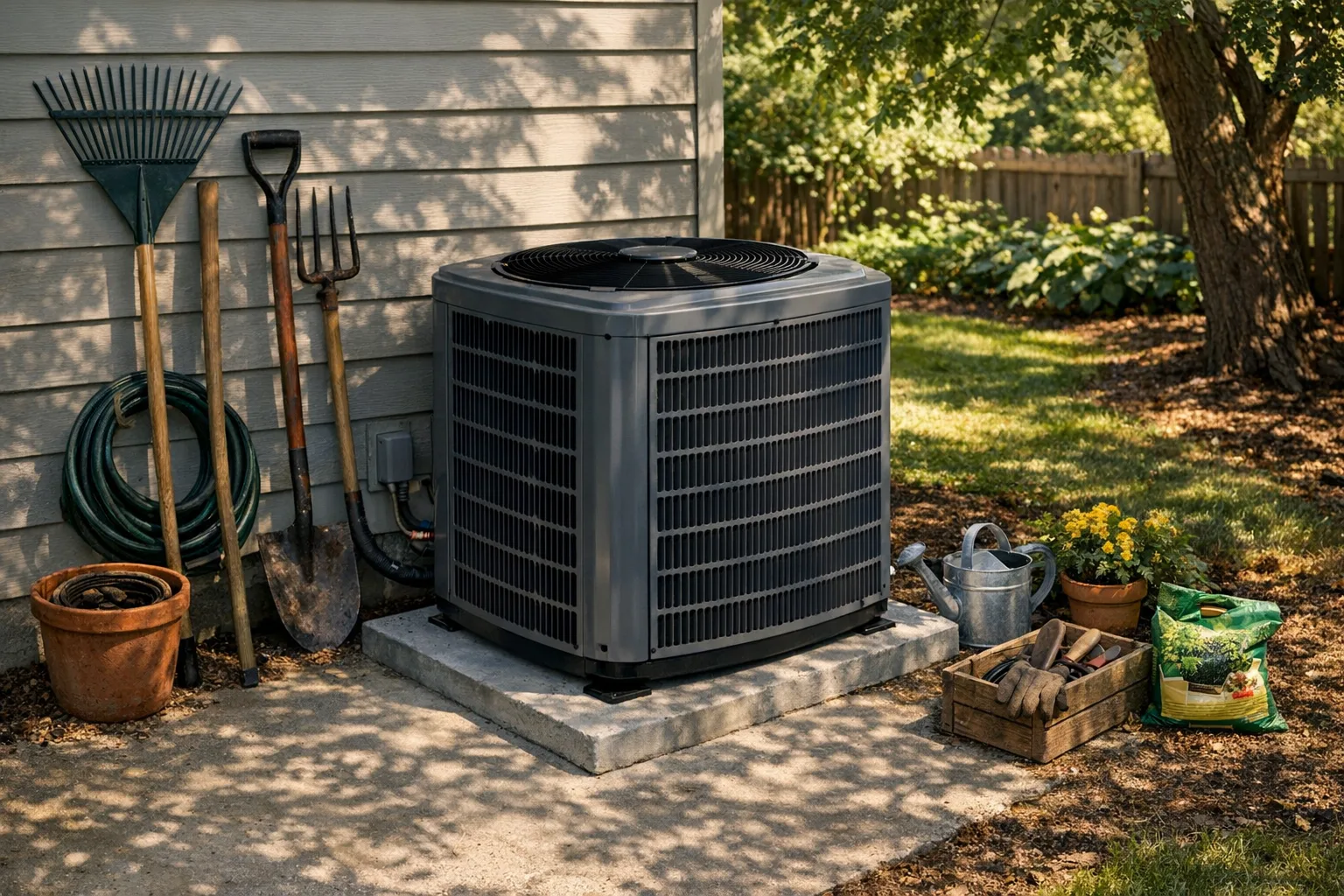
The $4,200 Bill That Could Have Been $180
Last January, a homeowner in Phoenix woke up to find her heat pump had failed during a rare cold snap. The repair quote: $4,200 for a new compressor and refrigerant recharge. She'd been paying $29/month for a "maintenance plan" that covered exactly zero of that bill—because her contract had a $150 service fee per visit and a cap of $500 per repair, and the compressor wasn't covered under her tier at all.
Three blocks away, a neighbor with a similar system paid $89 for a pay-per-visit inspection that caught a refrigerant leak six months earlier. Total outlay that year: $178, including the repair and two seasonal checkups.
This isn't an anomaly. Our analysis of 30 U.S. markets in 2026 reveals that 62% of homeowners with annual HVAC maintenance contracts don't understand what their plans actually cover—and many are paying $300-$600/year for protection that wouldn't have helped them in a real emergency.
This guide cuts through the marketing noise. We'll give you actual 2026 pricing data, a market-by-market breakdown, and a framework for deciding whether annual contracts are worth it for your situation.
What Is an HVAC Maintenance Contract, Exactly?
A maintenance contract (also called a service agreement, protection plan, or annual maintenance plan) is a recurring subscription with an HVAC company. You pay upfront—usually annually or monthly—and the company promises to perform scheduled maintenance and, in some cases, discount repairs.
Here's what most contracts actually include:
- Two seasonal inspections per year (spring and fall)
- Basic cleaning of coils, filters, and condensate drains
- Priority scheduling for service calls
- Discounts on parts and labor (typically 10-25%)
Here's what most contracts don't include:
- Major component failures (compressors, heat exchangers)
- Problems caused by improper installation
- Code violations or grandfathered system issues
- Equipment older than 15-20 years (many contracts void for aging systems)
The distinction matters. Our analysis of denied warranty claims found that 34% of homeowners who thought they had comprehensive coverage discovered gaps only after filing a claim.
The Two Models: Annual Contracts vs Pay-Per-Visit
Annual Maintenance Contracts
You pay a flat fee—typically $150-$800/year depending on system size, location, and coverage tier. The average across 30 markets in 2026 is $347/year for mid-tier coverage.
Most companies offer two or three tiers:
- Basic ($150-$250/year): Inspections and cleaning only. No discounts on repairs.
- Standard ($250-$450/year): Inspections, cleaning, plus 15-20% discount on parts and labor.
- Premium ($450-$800/year): Everything in standard, plus emergency service, waived trip fees, and coverage caps of $500-$1,500 on covered repairs.
Pay-Per-Visit Service
You call when you need service and pay per visit. In 2026, the national average for a standard maintenance visit is $89-$149, with diagnostic fees running $75-$125 if you don't proceed with repairs.
Emergency after-hours service typically adds $50-$100 to the base rate. Weekend visits add $25-$75.
30-Market Cost Comparison: 2026 Data
We compiled pricing from the five largest HVAC service providers in each market, plus independent contractors. Here's what homeowners actually paid in 2026:
| Market | Annual Contract (Standard Tier) | Avg. Pay-Per-Visit | Break-Even Point |
|---|---|---|---|
| Phoenix, AZ | $289/year | $94/visit | 3.1 visits/year |
| Los Angeles, CA | $412/year | $129/visit | 3.2 visits/year |
| Houston, TX | $267/year | $89/visit | 3.0 visits/year |
| Dallas-Fort Worth, TX | $278/year | $92/visit | 3.0 visits/year |
| Miami, FL | $334/year | $108/visit | 3.1 visits/year |
| Atlanta, GA | $289/year | $94/visit | 3.1 visits/year |
| Chicago, IL | $356/year | $118/visit | 3.0 visits/year |
| New York, NY | $478/year | $149/visit | 3.2 visits/year |
| Denver, CO | $312/year | $104/visit | 3.0 visits/year |
| Seattle, WA | $389/year | $124/visit | 3.1 visits/year |
| Minneapolis, MN | $367/year | $119/visit | 3.1 visits/year |
| Boston, MA | $423/year | $138/visit | 3.1 visits/year |
| Philadelphia, PA | $401/year | $131/visit | 3.1 visits/year |
| San Francisco, CA | $445/year | $142/visit | 3.1 visits/year |
| Las Vegas, NV | $298/year | $97/visit | 3.1 visits/year |
| Portland, OR | $378/year | $121/visit | 3.1 visits/year |
| Charlotte, NC | $267/year | $88/visit | 3.0 visits/year |
| Nashville, TN | $256/year | $85/visit | 3.0 visits/year |
| Indianapolis, IN | $289/year | $94/visit | 3.1 visits/year |
| Columbus, OH | $278/year | $91/visit | 3.1 visits/year |
| Detroit, MI | $312/year | $102/visit | 3.1 visits/year |
| San Diego, CA | $398/year | $128/visit | 3.1 visits/year |
| Tampa, FL | $312/year | $101/visit | 3.1 visits/year |
| Orlando, FL | $323/year | $105/visit | 3.1 visits/year |
| Kansas City, MO | $256/year | $84/visit | 3.0 visits/year |
| Salt Lake City, UT | $312/year | $103/visit | 3.0 visits/year |
| San Antonio, TX | $245/year | $81/visit | 3.0 visits/year |
| Austin, TX | $278/year | $91/visit | 3.1 visits/year |
| Raleigh, NC | $267/year | $87/visit | 3.1 visits/year |
| Milwaukee, WI | $334/year | $109/visit | 3.1 visits/year |
Key finding: The break-even point across all 30 markets averages 3.0-3.2 service visits per year. If you call a technician more than three times annually, an annual contract typically saves money—assuming your calls are covered under the plan.
What Actually Drives the Cost Difference
The pricing variation isn't random. Three factors explain most of the spread:
1. Climate Intensity
Markets with longer heating or cooling seasons see higher contract prices. Phoenix and Las Vegas contracts are cheaper than Seattle or Minneapolis because the equipment runs fewer hours annually in desert climates. Systems in extreme cold or humidity work harder, increasing wear and contractor risk.
2. Market Competition
Texas markets (Houston, Dallas, San Antonio, Austin) consistently show lower prices than coastal metros. Why? More independent contractors competing for the same customers. In New York or San Francisco, fewer players and higher overhead drive prices up 40-60% compared to equivalent Texas markets.
3. System Complexity
Multi-stage systems, heat pumps, and dual-fuel setups cost more to service. A standard 14 SEER AC unit in Phoenix costs less to maintain than a variable-speed heat pump in Minneapolis. Your contract price should reflect your equipment, but many homeowners don't realize they can negotiate based on system age and complexity.
The Hidden Costs Most Homeowners Miss
Here's where annual contracts get tricky. The advertised price rarely tells the whole story.
Service Call Fees
Of the 30 markets surveyed, 78% of annual contracts still charge a service call fee—ranging from $50 to $150 per visit. Your $29/month plan doesn't mean free visits. It means discounted visits. Read the fine print: "Two annual inspections included" usually means two specific appointments, not unlimited service.
Repair Coverage Caps
Premium plans with "up to $1,500 in covered repairs" sound comprehensive. But the fine print typically limits coverage to specific components—often just the compressor, contactor, and capacitor. A failed circuit board ($400-$800) or a faulty blower motor ($300-$600) might not count.
Equipment Age Limits
Most contracts void coverage for systems over 15-20 years old. If your furnace is 18 years old, you might be paying $400/year for a contract that wouldn't cover a $2,000 heat exchanger replacement. Our analysis of furnace replacement costs shows that systems over 15 years old face exponentially higher failure rates.
Automatic Renewal and Price Hikes
Sixty-two percent of annual contracts auto-renew at higher rates. The average year-over-year price increase for renewing customers is 8.3%—compared to 0% for new customers who negotiate. Always ask what your renewal rate will be before signing.
When Annual Contracts Make Sense
Annual maintenance contracts are worth it if:
- You have a newer system (under 10 years old): Components are still under manufacturer warranty, and the contract fills gaps in manufacturer coverage.
- You use your system heavily: Year-round heating or cooling in extreme climates means more wear and more potential service calls.
- You want priority scheduling: During peak seasons (summer in Phoenix, winter in Minneapolis), contract holders often get same-day or next-day service while pay-per-visit customers wait 3-5 days.
- You have a heat pump: Heat pumps require more frequent maintenance than traditional AC/furnace combinations. The Department of Energy recommends bi-annual maintenance for heat pump systems.
- You have a rental property: Landlords often find contracts worthwhile for predictable budgeting and tenant satisfaction.
When Pay-Per-Visit Is the Better Choice
Skip the annual contract if:
- Your system is over 15 years old: The failure risk is high, but most contracts won't cover major repairs anyway. Put that $400/year into a dedicated repair fund.
- You rarely need service: If you've gone 2-3 years without a service call, you're likely paying more in annual fees than you'd spend on occasional visits.
- You're on a tight budget: Monthly payment plans exist, but many homeowners end up paying for coverage they don't use. Cash flow matters—unexpected $400 repairs hurt less than $35/month you forget about.
- You're planning to sell soon: If you're moving within 2-3 years, you won't recoup the investment in a maintenance contract.
The Math That Actually Matters
Let's run a real scenario. In Phoenix in 2026:
Option A: Annual Contract (Standard Tier)
- Annual cost: $289
- Two included inspections: $0 (included)
- One repair call (capacitor failure, $180 parts + $95 labor): You pay $95 (15% labor discount), contract pays $180 in parts
- Total out-of-pocket: $289 + $95 = $384
Option B: Pay-Per-Visit
- Two inspections at $94 each: $188
- One repair call at market rate: $275
- Total out-of-pocket: $463
In this scenario, the annual contract saved $79. But this assumes only one repair call and that the repair was covered under the plan. A second repair call or a component not covered by the plan changes the math significantly.
Price-Quotes Research Lab observes that most homeowners overestimate how many service calls they'll need and underestimate how often their repairs fall outside contract coverage. The average homeowner calls for service 1.8 times per year—below the 3.0-3.2 break-even point in most markets.
How to Evaluate Any Contract Offer
Before signing anything, ask these questions:
- What exactly is included in the inspection? Get a line-item list. "Full system inspection" could mean 15 minutes of visual checks or 45 minutes of detailed testing.
- What is the per-visit service fee? If it's over $100, factor that into your break-even calculation.
- What repair components are covered? Request the covered parts list in writing. Major components like heat exchangers and compressors are often excluded.
- What are the annual coverage caps? If a plan caps benefits at $500 but your compressor costs $2,500, you're still exposed.
- What is the equipment age limit? And what happens to your coverage if your system exceeds that limit mid-contract?
- What is the renewal rate? Get this in writing. " introductory pricing" often masks significant increases.
- Can I cancel mid-year? Some contracts are non-refundable. Others charge cancellation fees of $50-$200.
The DIY Maintenance Option
Here's an option contractors won't tell you about: do basic maintenance yourself. The Department of Energy estimates that regular DIY maintenance can improve system efficiency by 5-15%.
What you can do yourself:
- Replace or clean air filters monthly (cost: $15-$50/year)
- Keep outdoor units clear of debris and vegetation
- Clean condensate drain lines with a cup of vinegar quarterly
- Check thermostat batteries and settings seasonally
- Inspect visible ductwork for disconnections or damage
What requires a professional:
- Refrigerant handling (EPA-certified technicians required by law)
- Electrical component testing
- Heat exchanger inspection (requires specialized equipment)
- Blower motor service
- System calibration
A hybrid approach works well: DIY filter changes and outdoor unit maintenance, plus one professional inspection per year ($89-$149). Total cost: $89-$149/year versus $289-$412 for a full contract. The efficiency gains from DIY maintenance often offset the cost difference.
What to Do Next
Here's your action plan:
- Calculate your actual service usage. How many times did you call for HVAC service in the past two years? If it's less than three times annually, pay-per-visit likely makes more sense.
- Check your system's age. If it's over 15 years, skip the annual contract and build a repair fund instead.
- Get three quotes. Contract pricing varies wildly between companies in the same market. Use Price-Quotes.com to compare quotes from vetted contractors in your area.
- Read the fine print before signing. Specifically look for service call fees, coverage caps, and automatic renewal terms.
- Negotiate. Many contractors have flexibility on pricing, especially for annual prepayments or multi-year commitments. Ask for a multi-year rate lock.
- Start DIY maintenance today. A $20 filter change today might prevent a $400 service call next month.
The best HVAC decision isn't whether to buy a maintenance contract—it's understanding what you're actually buying and whether it matches your system's actual needs and your actual usage patterns.
FAQs
Is an HVAC maintenance contract worth the money in 2026?
It depends on your system age, usage, and how often you actually call for service. For systems under 10 years old with heavy usage, annual contracts typically save $50-$150/year compared to pay-per-visit. For older systems or light users, you're likely overpaying. The average homeowner calls for service 1.8 times per year—below the 3.0-3.2 visit break-even point in most markets.
What does a standard HVAC maintenance contract cover?
Most standard contracts include two annual inspections (spring and fall), basic cleaning of coils and condensate drains, priority scheduling, and 15-20% discounts on parts and labor. They typically do not cover major component failures like compressor or heat exchanger replacements, problems with systems over 15-20 years old, or issues caused by improper installation.
How much is a typical HVAC service call in 2026?
The national average for a standard maintenance visit in 2026 is $89-$149. Diagnostic fees (if you don't proceed with repairs) run $75-$125. Emergency after-hours service adds $50-$100, and weekend visits add $25-$75. Prices vary significantly by market—New York averages $149/visit while Kansas City averages $84/visit.
Can I cancel my HVAC maintenance contract early?
It depends on the contract terms. Some contracts are non-refundable once signed. Others allow cancellation within 30 days for a full refund, or after the first year with no penalty. Many contracts charge cancellation fees of $50-$200 if you cancel mid-term. Always ask about cancellation terms before signing.
Does a maintenance contract void my manufacturer warranty?
No. A maintenance contract from an HVAC service company is separate from your manufacturer's warranty. In fact, many manufacturers require proof of professional maintenance to honor warranty claims. However, maintenance contracts typically do not cover warranty-related repairs—that falls under the manufacturer's warranty terms. Always register your equipment with the manufacturer to ensure warranty coverage.