How time-of-use rates will change heat pump costs by 2026
How time-of-use rates will change heat pump costs by 2026
Published 2026-07-06 • Price-Quotes Research Lab Analysis
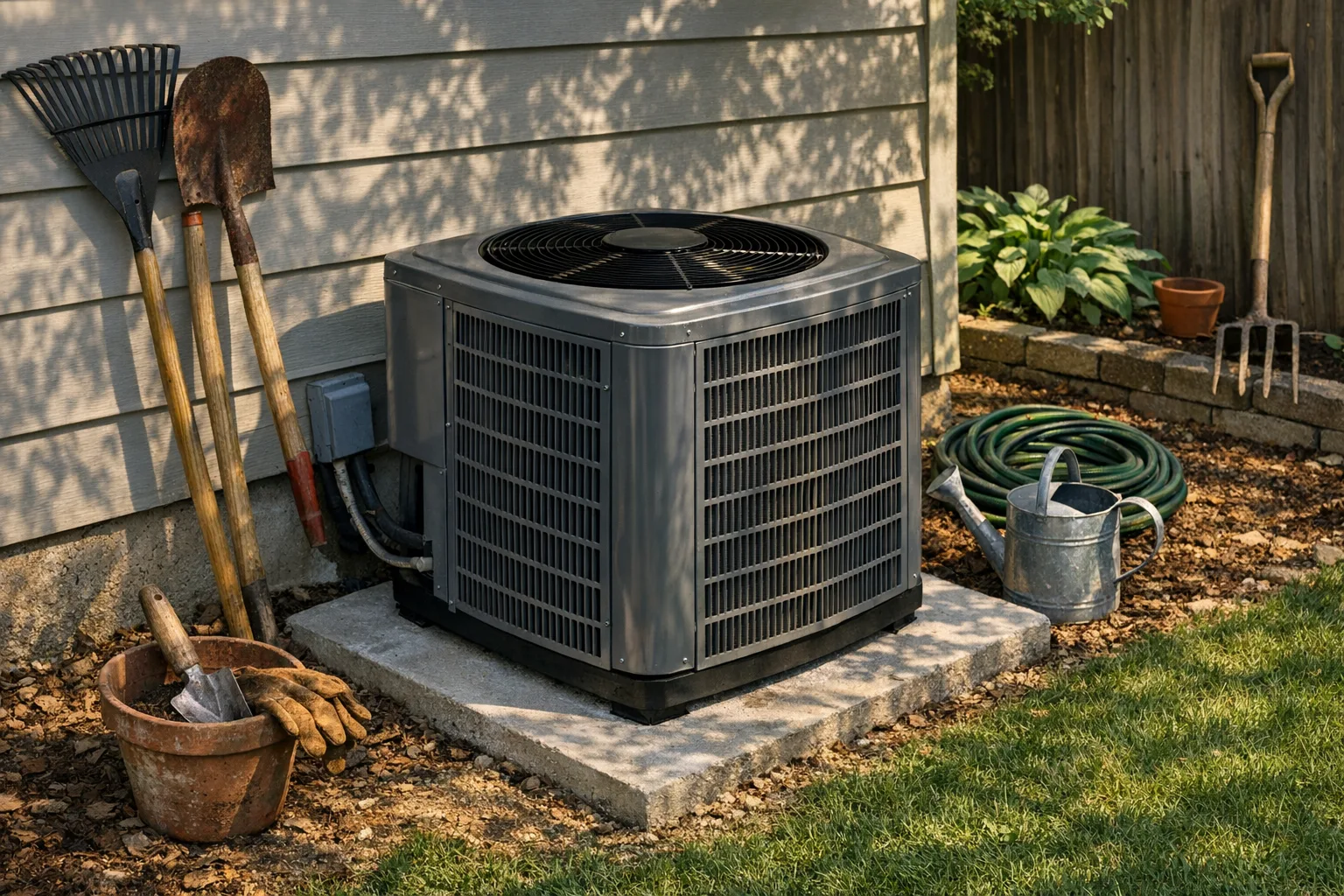
The $900 Bill That Wasn't Supposed to Happen
Maria Chen in Sacramento, California thought she was doing everything right. She'd installed a high-efficiency heat pump in late 2025, upgraded her insulation, and kept the thermostat at a reasonable 72°F. When her first quarterly electricity bill arrived in February 2026, it showed $847—$340 more than the same period the year before when she still had gas heat.
"The installer never mentioned that my utility had switched me to a time-of-use rate plan," Chen told HVAC Rush. "I was running the heat at 7 PM like I always had. Turns out that's peak pricing."
Chen's situation is increasingly common across North America. As utilities retire flat-rate electricity plans in favor of time-of-use (TOU) pricing, heat pump owners are discovering that the same efficient equipment can generate dramatically different monthly bills depending on when it runs. In 2026, this shift has accelerated: the U.S. Energy Information Administration projects that 47% of residential electricity customers will be on some form of dynamic pricing by year's end, up from 31% in 2024.
This isn't a minor technical footnote. For a typical homeowner running a 3-ton heat pump 1,800-2,200 hours annually, the difference between smart and naive TOU management can mean $400 to $900 per year in electricity costs. That's real money—enough to affect whether a heat pump's operating savings justify the premium pricing over conventional systems.
What Time-of-Use Rates Actually Mean for Your Heat Pump
Traditional electricity pricing charged a single rate regardless of when you used power. Time-of-use rates divide the day into periods:
- Off-peak (typically 9 PM–9 AM weekdays, plus most weekends): The cheapest rates, sometimes 40-60% below flat rates
- Mid-peak (mornings and early evenings): Moderate pricing
- Peak (typically 4 PM–9 PM on weekdays): The most expensive period, often 80-150% higher than off-peak
The logic behind TOU pricing is demand reduction. Utilities face their most expensive costs when everyone runs air conditioning or heating simultaneously. By making peak power expensive, they incentivize customers to shift flexible loads—like heat pump heating and cooling—to cheaper hours.
For heat pump owners, this creates both a challenge and an opportunity. Heat pumps run continuously during extreme weather, but much of that runtime can be shifted. Pre-heating your home during off-peak hours and letting thermal mass maintain temperature through peak periods is one proven strategy. ACEEE research indicates that smart thermostat scheduling combined with TOU awareness can reduce peak-period heat pump runtime by 35-50% without meaningful comfort loss.
The 2026 TOU Rate Landscape
Rate structures vary significantly by utility and region, but 2026 data reveals clear patterns. Here's what homeowners are actually paying:
| Utility / Region | Off-Peak Rate | Peak Rate | Peak Hours | Annual Impact* |
|---|---|---|---|---|
| PG&E (California) | $0.28/kWh | $0.62/kWh | 4-9 PM weekdays | +$680/year |
| APS (Arizona) | $0.11/kWh | $0.31/kWh | 3-8 PM weekdays | +$520/year |
| Dominion Energy (Virginia) | $0.10/kWh | $0.19/kWh | 2-7 PM weekdays | +$290/year |
| Xcel Energy (Colorado) | $0.09/kWh | $0.24/kWh | 2-7 PM weekdays | +$410/year |
| National Grid (Massachusetts) | $0.18/kWh | $0.33/kWh | 5-8 PM weekdays | +$440/year |
*Annual impact represents the additional cost of running a 3-ton heat pump 2,000 hours/year under peak-heavy usage patterns versus optimized off-peak scheduling. Actual results vary based on climate, home characteristics, and usage habits.
Price-Quotes Research Lab observes that these rate differentials have widened significantly since 2024. Several utilities implemented TOU restructuring specifically to manage the surge in heat pump adoptions, creating pricing architectures that reward flexible consumption.
Why Heat Pumps Are More Vulnerable to TOU Rates Than Old Systems
Gas furnaces and oil boilers don't care what time of day they run. A therm of natural gas costs the same at midnight as at 6 PM. This made traditional heating simple: run it when you're cold.
Heat pumps change the calculus because they run on electricity, and they run a lot. A heat pump extracting heat from cold outdoor air works harder than a gas furnace, meaning longer runtime cycles. During a typical winter week with temperatures in the 20s°F (-6°C), a 3-ton heat pump might run 12-16 hours per day. If most of that runtime falls during peak pricing windows, costs escalate quickly.
The math is stark. Consider a 3-ton (36,000 BTU) heat pump with a COP of 3.0 at design conditions. It draws roughly 3.5 kW of electrical power. Running that unit 8 hours during peak pricing at PG&E's rates costs:
8 hours × 3.5 kW × $0.62/kWh = $17.36 per day
Run the same usage during off-peak hours instead:
8 hours × 3.5 kW × $0.28/kWh = $7.84 per day
That's a $9.52 daily difference. Over a heating season with 120 peak-demand days, that's over $1,100 in avoidable costs.
The Efficiency Paradox
Here's the counterintuitive reality: higher-efficiency heat pumps may actually increase your exposure to TOU costs. Why? Because more efficient units have lower electrical resistance heating elements and longer compressor runtimes. When they do run during peak hours, they draw power for extended periods rather than short, intense bursts.
A lower-efficiency 14 SEER heat pump might cycle on and off quickly, catching some off-peak hours incidentally. A high-efficiency 20+ SEER unit with variable-speed operation maintains steady temperatures over longer periods—meaning more of its runtime is subject to whatever pricing window is active.
This doesn't mean you should buy less efficient equipment. The operating cost advantage of efficient heat pumps still dominates over their lifespan. But it does mean that TOU rate awareness matters more with modern equipment, not less.
How to Actually Reduce Your Heat Pump's TOU Exposure
Understanding the problem is useful; actionable solutions are better. Here's what works in 2026:
1. Smart Thermostat Scheduling
The single most effective step is programming your thermostat to pre-condition your home during off-peak hours. The concept is straightforward: raise temperatures slightly (or lower them in summer) before peak pricing begins, then let the heat pump idle or run minimally during expensive hours while your home's thermal mass maintains comfort.
For winter heating, set your thermostat to reach your desired temperature by 3 PM (before 4 PM peaks). The heat pump runs at cheaper rates through the afternoon and early evening. When peak pricing kicks in at 4 PM, your home is already at temperature, and the heat pump only needs to maintain it with brief, intermittent runtime.
Most modern smart thermostats (Ecobee, Nest, Honeywell Home) now include TOU-specific scheduling features or integration with utility demand-response programs. The Department of Energy recommends looking for ENERGY STAR certified smart thermostats with learning capabilities for optimal TOU optimization.
2. Utility Demand Response Programs
Many utilities offer demand response programs where they pay you to reduce consumption during specific peak events—typically 15-40 hours per year. Participating devices (including many smart thermostats and heat pump controls) automatically adjust during events.
Payments vary by utility but typically range from $25-$75 per event for residential customers. In 2026, several utilities have expanded demand response eligibility specifically for heat pump owners. Pacific Gas & Electric's SmartAC program, for instance, now offers $150 annual incentives for qualifying heat pump participants.
3. Consider a Heat Pump Water Heater for Off-Peak Domestic Hot Water
Water heating typically accounts for 17-20% of residential energy use. Heat pump water heaters are exceptionally well-suited to TOU optimization because they can run almost entirely during off-peak hours, storing hot water in well-insulated tanks for use throughout the day. A 50-gallon heat pump water heater running on a TOU plan can save $150-$300 annually compared to the same unit on a flat rate.
4. Evaluate Your Utility's Rate Plan Options
Not all TOU plans are equal, and some utilities offer alternatives worth considering:
- EV-TOU plans: If you own an electric vehicle, these plans offer extremely low off-peak rates (sometimes under $0.05/kWh) but very high peak rates. They can work well for heat pump owners who can shift most heating to overnight hours.
- Bill protection periods: Some utilities offer initial rate plan trials where you're refunded the difference if you would have paid less on your previous plan.
- Flat-rate alternatives: A few utilities still offer flat-rate plans, though they typically carry a premium that costs more than TOU optimization saves for most customers.
Price-Quotes Research Lab observes that many homeowners never compare rate plans after their initial utility enrollment. A 30-minute review of your utility's current options could yield $200-$600 in annual savings.
The Refrigerant Transition Connection
2026 marks a significant year for heat pump purchases due to the R-454B refrigerant transition. New heat pumps manufactured after January 1, 2026 must use lower-global-warming-potential refrigerants. This affects both equipment costs and efficiency characteristics.
R-454B heat pumps typically have slightly different performance curves than their R-410A predecessors. Some models show marginally reduced heating capacity at very low temperatures, which could mean longer runtime during cold snaps—exactly when TOU peak pricing is most likely to apply.
If you're purchasing a new heat pump in 2026, ask your installer about the specific model's performance at your local design temperature and how that translates to runtime under TOU rates. The efficiency ratings (SEER2, HSPF2, COP) are standardized, but real-world performance at temperature extremes varies by manufacturer.
Permit and Installation Considerations
When budgeting for a heat pump purchase, don't forget that installation costs extend beyond the equipment itself. Permit fees, electrical upgrades, and code compliance work can add $800-$2,500 to total installation costs depending on your jurisdiction and existing infrastructure.
These upfront costs interact with TOU rates in an important way: the payback period for heat pump investment lengthens if operating costs are higher than expected. A $12,000 heat pump installation that saves $800 annually on heating costs compared to oil or electric resistance has a 15-year payback. If TOU rates add $400 to annual operating costs, that payback extends to over 17 years—potentially beyond the equipment's lifespan.
This calculation reinforces the importance of TOU optimization from day one. The difference between managed and unmanaged heat pump operation can shift your actual annual savings by hundreds of dollars, meaningfully affecting your return on investment.
What to Do Next
If you're currently running a heat pump on a TOU rate plan—or considering a heat pump purchase in an area with TOU pricing—here's your action checklist:
- Check your current rate plan: Log into your utility's website and confirm whether you're on TOU pricing. If you don't know, call and ask. Many utilities auto-enrolled customers during 2024-2025 rate restructuring.
- Review peak and off-peak hours: Write down the exact times and rates. These vary by utility and sometimes by season.
- Program your thermostat: Set pre-conditioning schedules that reach your target temperature before peak hours begin. Most smart thermostats have TOU scheduling features.
- Explore demand response programs: Check if your utility offers incentives for heat pump owners who participate in demand response. The enrollment process is typically simple and the payments are essentially free money for minimal behavior change.
- Compare rate plans annually: Utility rates change. What was optimal in 2024 may not be optimal in 2026. Set a calendar reminder to review your options each year.
- Consider professional optimization: Some HVAC contractors offer TOU optimization services, including load calculations that identify the most cost-effective heating and cooling schedules for your specific home.
For homeowners comparing heat pump options, use Price-Quotes.com to get installation quotes from vetted contractors in your area. When requesting quotes, ask specifically about TOU rate optimization and whether the contractor has experience with time-of-use pricing in your utility's service territory.
The Bottom Line
Time-of-use electricity rates aren't a temporary phenomenon or a regional curiosity. They're the future of residential electricity pricing, and they're reshaping the economics of heat pump ownership in 2026.
The equipment that heat pump manufacturers have spent decades perfecting to maximize efficiency is now subject to a variable that efficiency ratings don't capture: when it runs. A perfectly efficient heat pump running during peak pricing hours can cost more to operate than a less efficient unit running during off-peak periods.
This doesn't change the fundamental math favoring heat pumps over gas, oil, or electric resistance heating for most North American homeowners. Over a 15-20 year lifespan, heat pumps still deliver substantial operating savings and environmental benefits. But those savings require active management in the TOU era.
Maria Chen, the Sacramento homeowner whose bill shocked her, eventually reprogrammed her thermostat and enrolled in PG&E's demand response program. Her subsequent quarterly bills dropped to $510—still higher than her gas bills had been, but a $337 improvement from her first TOU-period bill. She estimates she'll save approximately $1,100 annually going forward.
"I wish someone had explained the rate structure before I signed the installation contract," Chen said. "But once I understood how it worked, adjusting was pretty straightforward. The key is just knowing it exists."
She's right. The key is knowing TOU rates exist, understanding how they interact with your heat pump, and taking simple steps to optimize when your system runs. Do that, and the 2026 heat pump economics still work in your favor.