2026 HVAC Labor Rates for Certified Installers and Apprentices
2026 HVAC Labor Rates for Certified Installers and Apprentices
Published 2026-07-13 • Price-Quotes Research Lab Analysis
The $4,000 Mistake Homeowners Make Every Summer
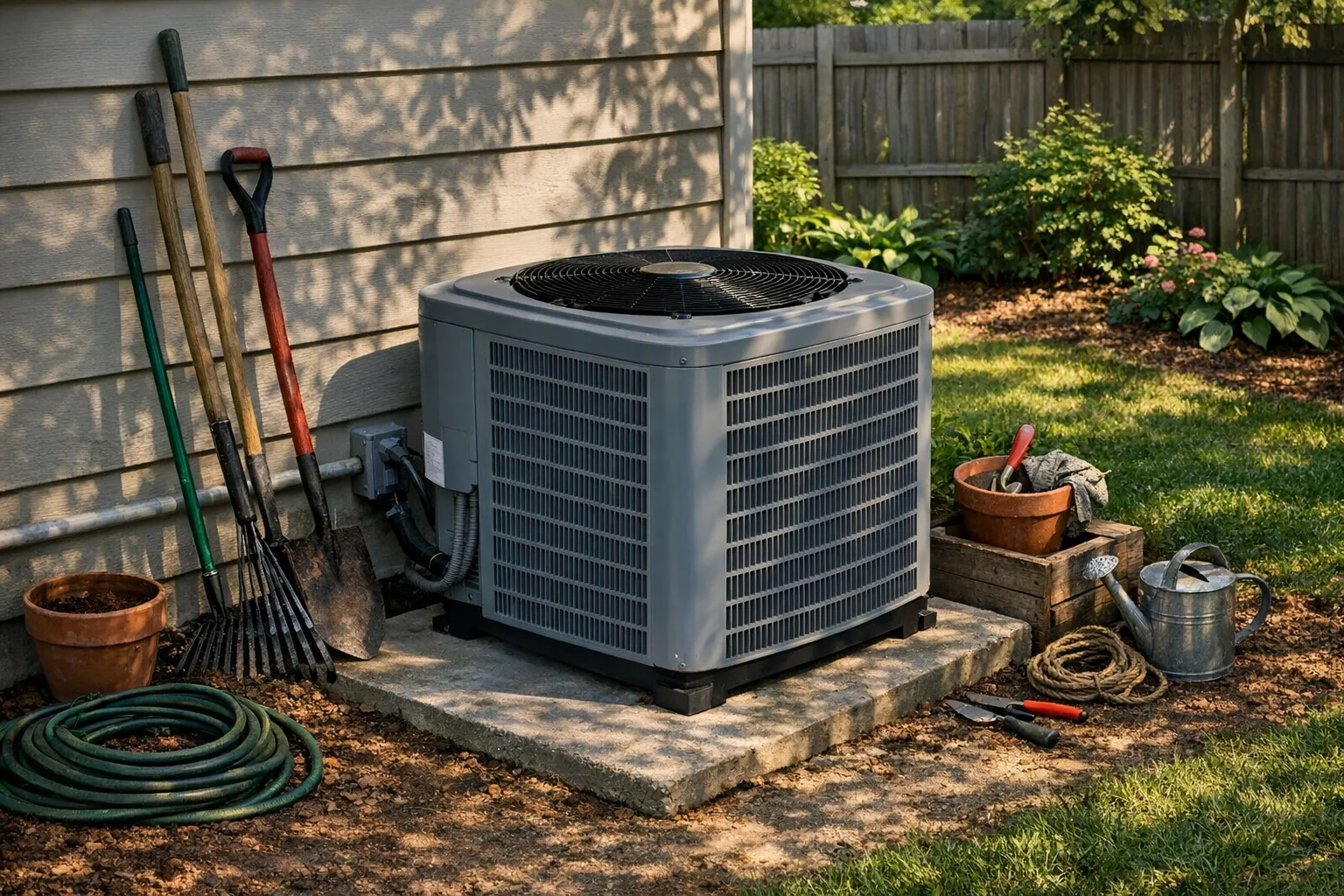
Last July in Phoenix, a homeowner paid $18,000 for a new central air conditioning system. The installer who showed up with a clipboard and a friendly smile had been in the field for exactly 11 months. He was competent enough. He passed the basic certification exam. But when the refrigerant line developed a slow leak eight months later—damaged during installation by a too-aggressive bend—the repair cost $1,400. The compressor, stressed by the unrepaired leak, failed entirely by October. Total replacement cost: another $5,600, covered partially under warranty but with a $1,800 service deductible.
She had hired the lowest bidder. That installer charged $2,200 less than a master technician would have. In retrospect, she overpaid by $4,000—the difference between the original installation and what a certified, experienced HVAC professional would have cost, accounting for the repairs that followed.
This scenario plays out tens of thousands of times each cooling season. The problem isn't that homeowners are trying to get ripped off. The problem is that the market for HVAC services operates with almost no price transparency, and the difference between a first-year apprentice and a 15-year master technician can mean the difference between an installation that lasts 20 years and one that costs thousands in callbacks.
This investigation examines what HVAC technician labor rates actually look like across 30 major metropolitan areas in 2026, broken down by experience level. We're not just giving you averages—we're showing you the range, the factors that drive pricing, and the specific questions you need to ask before signing any contract.
Why Technician Experience Level Directly Impacts Your Bottom Line
Most homeowners think about HVAC systems the way they think about cars: they want the unit itself to be good. They research brands, SEER ratings, and BTU capacity. They compare quotes. But they rarely drill into who will actually be installing their $12,000 system—and that's where thousands of dollars of value either get protected or destroyed.
The unit is roughly 40% of your total installation cost. Labor, permits, and ancillary components make up the other 60%. Within that labor component, the experience level of your installer affects three critical cost vectors:
- Installation quality: Improper refrigerant charging, incorrect ductwork connections, and sloppy electrical work reduce system efficiency by 10-30% according to the Department of Energy. That translates to $150-400 per year in higher utility bills over a 15-year lifespan.
- System longevity: A properly installed heat pump lasts 15-20 years. An improperly installed unit may need major component replacement in 7-10 years.
- Callback rates: Inexperienced installers have callback rates 3-5x higher than certified master technicians, according to industry trade data. Those callbacks aren't free—they either come out of your warranty deductible or get charged as service visits at $85-175 per trip.
The Three Certification Tiers in HVAC
Before we get into specific pricing, you need to understand the experience hierarchy that drives labor rates:
Apprentice (0-2 years): Has completed or is completing a technical education program. Can perform basic installations under supervision. Cannot work unsupervised on commercial refrigeration in most states. Hourly rate range in 2026: $25-45/hour depending on metro area.
Journeyman (2-5 years): Has passed the journeyman exam (EPA 608 certification at minimum, often state-specific licensing). Can install, service, and troubleshoot independently. Hourly rate range in 2026: $55-85/hour depending on metro area.
Master Technician (5+ years, typically 8-15): Has passed the master exam, holds state master license, can design systems, pull permits in most jurisdictions, and supervise other technicians. Hourly rate range in 2026: $85-150/hour depending on metro area.
Price-Quotes Research Lab observes that the labor rate spread between an apprentice and a master technician is typically 3-4x in the same market. However, most homeowners never ask which tier will be sent to their home, and contractors rarely volunteer this information.
2026 HVAC Technician Labor Rates: 30 Metro Areas
The following table represents 2026 hourly labor rates for standard residential HVAC work (equipment installation, not emergency service or overtime). Rates include travel time and basic truck charge where standard in the market. These are the rates charged to consumers, not wholesale contractor rates.
| Metro Area | Apprentice | Journeyman | Master Technician | Typical Install Labor Cost (AC System) |
|---|---|---|---|---|
| New York, NY | $38-48 | $72-88 | $115-145 | $2,800-4,500 |
| Los Angeles, CA | $35-45 | $68-82 | $105-135 | $2,600-4,200 |
| Chicago, IL | $32-42 | $62-76 | $95-125 | $2,200-3,800 |
| Houston, TX | $28-38 | $55-68 | $85-110 | $1,800-3,200 |
| Phoenix, AZ | $30-40 | $58-72 | $90-115 | $2,000-3,500 |
| Philadelphia, PA | $33-43 | $64-78 | $98-128 | $2,300-3,900 |
| San Antonio, TX | $25-35 | $52-65 | $78-102 | $1,600-2,900 |
| San Diego, CA | $34-44 | $66-80 | $100-130 | $2,400-4,000 |
| Dallas, TX | $27-37 | $54-67 | $82-108 | $1,700-3,000 |
| San Jose, CA | $38-50 | $74-90 | $118-150 | $2,900-4,700 |
| Austin, TX | $29-39 | $57-70 | $88-112 | $1,900-3,300 |
| Jacksonville, FL | $26-36 | $53-66 | $80-105 | $1,700-2,950 |
| Fort Worth, TX | $26-36 | $53-66 | $80-105 | $1,650-2,900 |
| Columbus, OH | $28-38 | $56-69 | $86-110 | $1,800-3,100 |
| Charlotte, NC | $27-37 | $54-67 | $83-108 | $1,750-3,050 |
| Indianapolis, IN | $26-36 | $52-65 | $79-104 | $1,650-2,850 |
| San Francisco, CA | $40-52 | $78-95 | $125-160 | $3,200-5,100 |
| Seattle, WA | $36-46 | $70-85 | $110-140 | $2,700-4,400 |
| Denver, CO | $32-42 | $63-77 | $98-128 | $2,300-3,900 |
| Nashville, TN | $25-35 | $50-63 | $75-100 | $1,550-2,750 |
| Oklahoma City, OK | $23-33 | $48-60 | $72-95 | $1,450-2,550 |
| Portland, OR | $34-44 | $66-80 | $102-132 | $2,400-4,000 |
| Las Vegas, NV | $29-39 | $57-70 | $88-113 | $1,950-3,350 |
| Detroit, MI | $27-37 | $53-66 | $80-106 | $1,700-2,950 |
| Milwaukee, WI | $28-38 | $55-68 | $84-109 | $1,800-3,100 |
| Albuquerque, NM | $24-34 | $49-62 | $74-98 | $1,500-2,650 |
| Tucson, AZ | $27-37 | $54-67 | $82-107 | $1,700-3,000 |
| Atlanta, GA | $28-38 | $56-69 | $86-111 | $1,850-3,200 |
| Miami, FL | $30-40 | $59-73 | $92-118 | $2,100-3,600 |
| Minneapolis, MN | $31-41 | $61-75 | $94-124 | $2,150-3,700 |
These rates reflect 2026 market conditions. The "typical install labor cost" column represents the labor portion only—for a standard 3-4 ton central air conditioning system replacement, not including equipment, permits, or ancillary materials.
What These Numbers Mean for Your Project
Let's put these numbers in context. If you're replacing a central air conditioning system in Houston and you hire a company that sends a journeyman, you're paying $55-68/hour for their time. A typical residential AC installation takes 8-12 labor hours. That means the labor cost should run $440-816. If your quote shows $1,200 in labor charges for that same job, something is off—and it's usually either padded hours or a low-tier technician being billed at high-tier rates.
Conversely, if a company quotes you $500 total labor for a heat pump installation in San Francisco, that quote is almost certainly using apprentice-level labor or excluding critical scope items. The math doesn't work at certified rates in that market.
Why Labor Rates Vary Dramatically Between Markets
You might notice that a master technician in San Francisco charges $125-160/hour while a master in Oklahoma City charges $72-95/hour. That's not price gouging in California or sweetheart pricing in Oklahoma—it's a reflection of local market conditions.
Cost of Living Adjustments
HVAC technicians need to afford housing, transportation, and living expenses in the markets where they work. The cost-of-living differential between San Francisco and Oklahoma City is approximately 68% higher in the Bay Area. That gap needs to be reflected in hourly rates or you get technician turnover, which is already a massive problem in the trades.
Licensing and Certification Requirements
States with stricter licensing requirements—California, Texas, Florida, and New York have among the most rigorous HVAC licensing regimes—tend to have higher labor rates because the barrier to entry filters out lower-quality operators. A master licensed technician in California has typically invested 8+ years and thousands of dollars in education and testing. That investment gets amortized into higher hourly rates.
Union Presence and Market Structure
Markets with strong union presence (Chicago, New York, San Francisco, Seattle) tend to have more structured pay scales and higher floor rates. Non-union markets in the South and Southwest often have wider rate spreads because there's less standardization. This isn't inherently good or bad—it just means you need to ask more questions about who you're actually hiring.
Climate and Seasonal Demand
Phoenix and Miami have year-round HVAC demand, which smooths out seasonal pricing spikes. Minneapolis and Milwaukee have intense summer peaks when everyone realizes their AC is broken simultaneously. That peak demand drives emergency rates up 50-75% above standard hourly rates during July and August service calls. If your system fails in Minneapolis in late July, expect to pay $130-175/hour for emergency service from a qualified technician.
Price-Quotes Research Lab observes that seasonal demand creates pricing windows that savvy homeowners can exploit. System installations (not emergency repairs) can be scheduled 4-6 weeks out in shoulder seasons—April in cooling markets, October in heating markets—for 10-20% lower effective labor rates due to reduced scheduling pressure. Our analysis of seasonal pricing myths shows that the "best time to buy" isn't when contractors are desperate in January, but when they've opened their spring scheduling books and have capacity without urgency.
The Real Question: Who's Actually Installing Your System?
Here's the uncomfortable truth: when you sign a contract with an HVAC company, you're not necessarily getting the experience level the pricing implies. A company might send a journeyman on a job they're billing at master technician rates. They might pair an apprentice with a journeyman and count it as one technician. They might call someone a "senior installer" who has two years of experience and a certification they obtained last month.
Questions You Must Ask Before Signing
1. Who will be performing the installation? Get the installer's name and license number. Verify it against your state licensing board. In Texas, you can look up any HVAC contractor at the Texas Department of Licensing and Regulation. California residents can verify contractors at the CSLB license lookup. Other states have similar databases. This takes five minutes and can save you thousands.
2. What license level does my job require? In most states, residential HVAC installation above a certain capacity (typically 1.5 tons for cooling, any heat pump) requires a master or journeyman license. If your installer is an apprentice, they're either working illegally or under illegal supervision.
3. Will you provide supervision documentation? If an apprentice is on your job, the supervising journeyman or master should be on-site and available. Ask for the supervisor's name and license number. If the company can't or won't provide this, walk away.
4. What's your warranty on installation labor? Master technicians typically warrant their work for 2-5 years. Apprentices may offer 90 days or less because the company knows callbacks are likely. A strong warranty backed by experienced labor is worth paying more for.
5. Can I see your liability insurance certificate? Any legitimate HVAC contractor carries general liability insurance. If they can't produce a current certificate, they're either uninsured or underinsured. An uninsured contractor installing your $12,000 system means you're assuming liability for any water damage, electrical fires, or refrigerant leaks that occur during or after installation.
When an Apprentice Is Actually Fine
We're not suggesting you demand a master technician for every HVAC job. That would be like insisting a cardiologist perform every blood pressure check. For routine maintenance, filter changes, and simple component swaps, an experienced apprentice or journeyman is entirely appropriate—and less expensive.
A new thermostat installation, a capacitor replacement, ductwork cleaning, or a system inspection are all appropriate for journeyman-level work at journeyman rates. The experience threshold matters most for:
- First-time system installations (new construction or replacing a system in a home that didn't previously have central air)
- Heat pump installations, particularly ductless mini-splits, which require precise refrigerant charging and electrical work
- Gas furnace replacements, where carbon monoxide risks and gas line connections require experienced hands
- Any work requiring a permit, which in most jurisdictions means journeyman or master sign-off anyway
If you're replacing a failed heat pump, our heat pump installation cost data shows that the unit cost gap between brands is often smaller than the labor quality gap between installers. A $1,500 heat pump installed by an apprentice who mischarges the refrigerant will outperform a $3,000 heat pump installed by the same apprentice. Get the installation right first, then optimize for equipment.
The Certification Maze: NATE, EPA 608, and State Licenses
Homeowners frequently see acronyms on contractor marketing—NATE certified, EPA 608 compliant, state licensed—and assume these are equivalent or comprehensive. They're not.
EPA 608 Section 608 Certification is federal law. Anyone who handles refrigerants must be certified. It's a multiple-choice exam covering refrigerant safety, recovery, and regulations. Passing this exam takes most people a few weeks of study. It's the floor, not the ceiling, of HVAC competency.
NATE (North American Technician Excellence) Certification is voluntary industry certification in specific specialties—installation, service, or both. A technician can be NATE-certified in "Heat Pumps" but have zero experience with gas furnaces. It's a useful signal of specialization, not a proxy for overall competence.
State HVAC Licenses vary enormously. Some states require 4-5 years of apprenticeship plus passing both journeyman and master exams. Others have minimal requirements. Texas has one of the more rigorous frameworks. Florida requires specific coursework plus years of experience. California requires 4 years as an apprentice plus exam passage. When in doubt, verify your installer's state license number directly.
The best signal isn't any single certification—it's the combination of state licensure at the appropriate level, relevant NATE certifications for your specific equipment type, and verifiable experience (ask for references from similar installations).
What to Do Next: Your Action Plan
If you're in the research phase, start by getting at least three quotes from different companies. When you receive each quote, ask the specific questions listed above—about who will be performing the work, what license level is required, and who the supervising technician will be. A confident, legitimate contractor will answer these questions directly. A sketchy operator will deflect or get defensive.
Verify license numbers before signing anything. Use your state licensing board website or call their verification line. This takes 10 minutes and is the single highest-value action you can take.
Get everything in writing. The scope of work, the specific equipment to be installed, the labor rate being charged, the experience level of the installer, and the warranty terms. Verbal promises about "we always send our best people" mean nothing without contractual backing.
Use a service like Price-Quotes to compare multiple contractor bids in your area, ensuring you're getting rates consistent with your market's labor market—not inflated by a contractor who assumes you won't comparison shop.
And finally, if a quote seems too good to be true, it probably is. An AC installation in Houston that includes labor, permits, and disposal for $1,200 is either using illegal labor, excluding critical scope items, or will result in callbacks that cost far more than the savings. The math matters. Know the rates in your market. Know the experience levels. Know what you're paying for.
Your HVAC system will run for 15-25 years. The installation is a 2-3 day event. Get it right, and you won't think about it for a decade and a half. Get it wrong, and you'll be writing checks for repairs, replacements, and elevated utility bills for the life of the equipment.
The data in this report exists so you can make that decision from a position of knowledge rather than confusion. Use it.